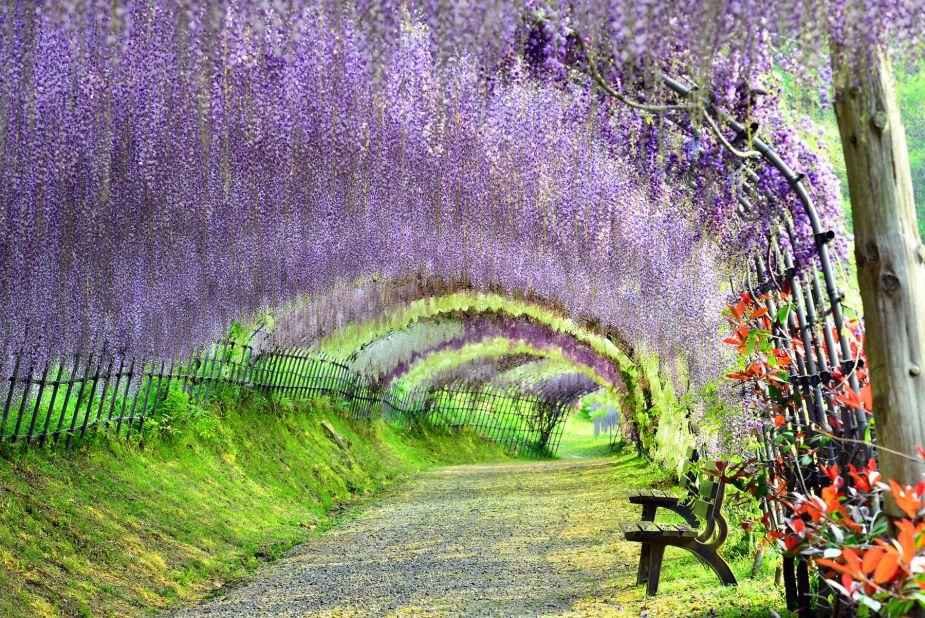
Kawachi Fuji Garden (Fukuoka): This fragrant wisteria tunnel is the most stunning display at the Kawachi Fuji Garden. With flowering vines overhead, the walkway is said to inspire a zen-like calm in visitors. The garden displays about 150 wisteria plants of 20 different species. It hosts the annual Wisteria Festival at the end of April, when the flowers are in full bloom.
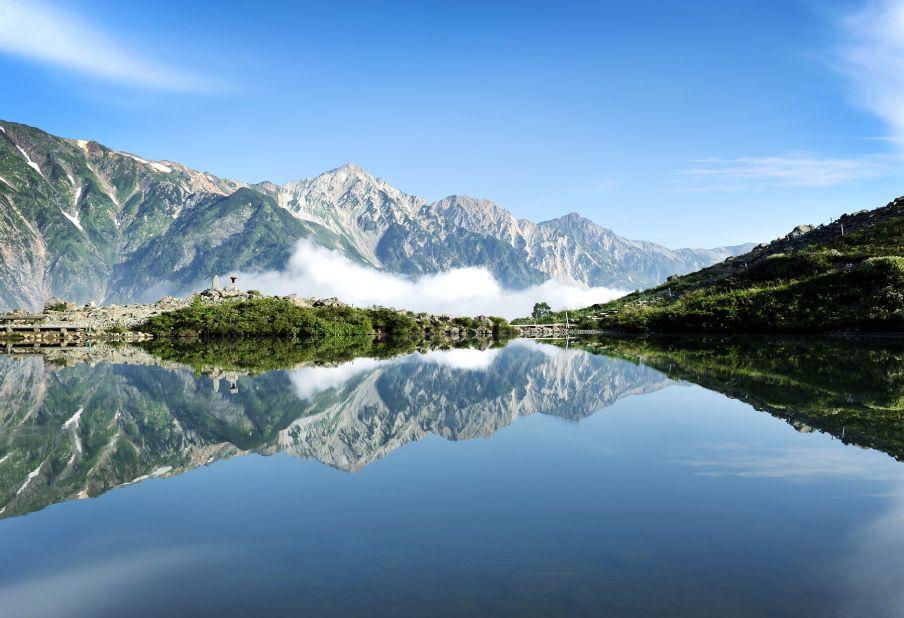
Experience Natural Beauty at Happo Pond in Nagano: Explore the breathtaking landscapes of Nagano Prefecture by hiking to Happo Pond from the charming village of Hakuba. This renowned trail in the Japanese Alps showcases the region's majestic mountains and offers a glimpse into the tranquility of the pond, nestled 2,060 meters above sea level. Happo Pond may be small in size, but its allure lies in its ability to mirror the towering 3,000-meter peaks that surround it.
Immerse yourself in the serenity of Happo Pond as you witness the reflection of the awe-inspiring Hakuba Peaks. This picturesque destination, adorned with scenic beauty, is a testament to the diverse and captivating landscapes Japan has to offer.
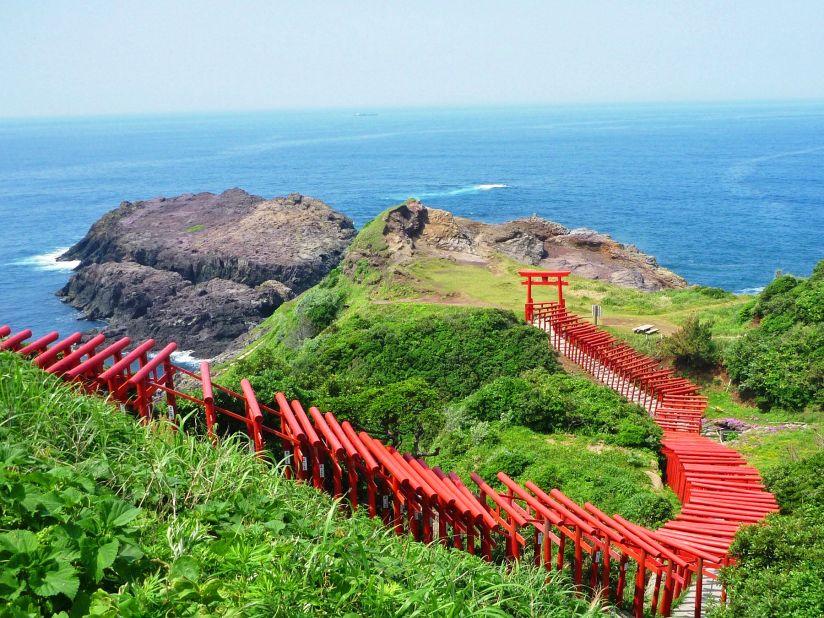
Explore the Majestic Motonosumi-Inari Shrine in Yamaguchi
Discover the enchanting 123 Torii gates at the Motonosumi-Inari Shrine, situated along the picturesque cliffs overlooking the ocean. This shrine holds immense significance for locals, who often visit to pray for success in various aspects of their lives. Interestingly, the donation box found atop the final Torii gate is intentionally placed out of reach, adding an exciting challenge for visitors seeking to make their wishes come true by accurately tossing money into the box.
Immerse yourself in the vibrant atmosphere as you embark on a journey through these striking vermilion gates, each representing a unique prayer or wish. Admire the stunning view of the surrounding landscape, which beautifully complements the spiritual aura of the shrine. Remember to bring some spare change for the opportunity to partake in this remarkable tradition.
Don't miss this remarkable experience at the Motonosumi-Inari Shrine, where cultural significance intertwines with breathtaking natural beauty.
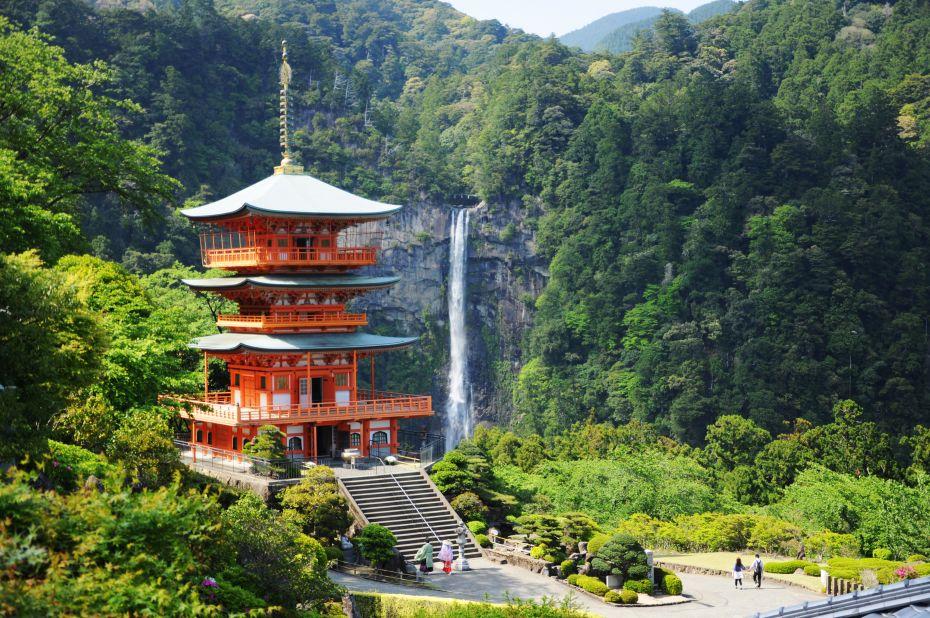
Nachi Falls (Wakayama): Discover the awe-inspiring beauty of Nachi Falls, the largest waterfall in Japan standing at an impressive height of 133 meters. This natural marvel effortlessly captures the attention of visitors, rivaling the magnificence of Kumano Nachi Taisha, a nearby sacred shrine. As a fitting finale to the renowned Kumano Kodo pilgrimage, Nachi Falls holds a special place in the hearts of travelers seeking both tranquility and spiritual enlightenment.
Immerse yourself in the captivating journey through the Kumano Kodo, a sacred trail known for its historical significance and breathtaking landscapes. This pilgrimage encompasses a rich tapestry of Japanese culture and tradition, allowing you to connect deeply with the country's spiritual heritage. During your pilgrimage, don't miss the opportunity to visit the Kumano Nachi Taisha shrine, nestled close to Nachi Falls, where you can experience the serenity and reverence of this revered site.
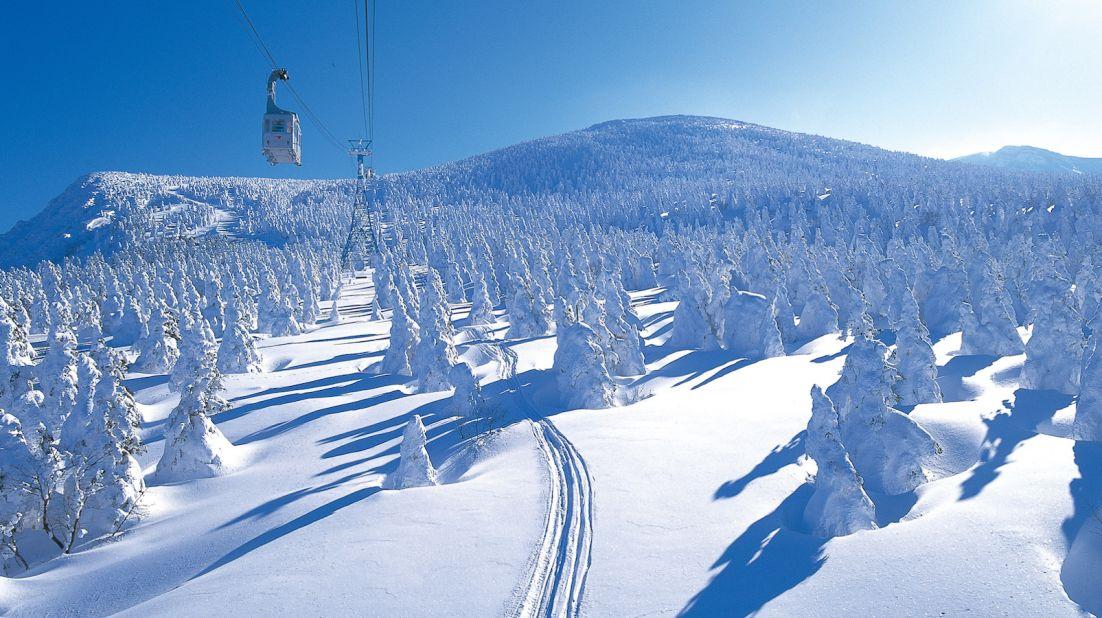
Embark on a memorable winter adventure at Zao Ski Resort in Yamagata! With an impressive 15 slopes and 12 courses, Zao Onsen stands as one of Japan's most renowned ski resorts, attracting travelers from around the world. However, the allure of Zao extends far beyond its snow-covered peaks, as it unveils an enchanting natural wonder known as the "ice monsters" or Juhyo in Japanese.
During the coldest winter months, Zao becomes a sanctuary for snow and seasonal winds that delicately transform the mountain's pine trees into mesmerizing snow towers. Witnessing these magnificent ice monsters is a truly surreal experience, as the trees assume peculiar shapes and resemble intricate sculptures. Marvel at the unique forms created by the intense snowfall, and immerse yourself in the magical atmosphere that surrounds this mesmerizing phenomenon.
Whether you're an enthusiastic skier or simply seeking a one-of-a-kind adventure, Zao Ski Resort offers a captivating journey filled with breathtaking landscapes and extraordinary encounters with nature. Don't miss the opportunity to explore this remarkable destination and witness the ethereal beauty of the ice monsters.
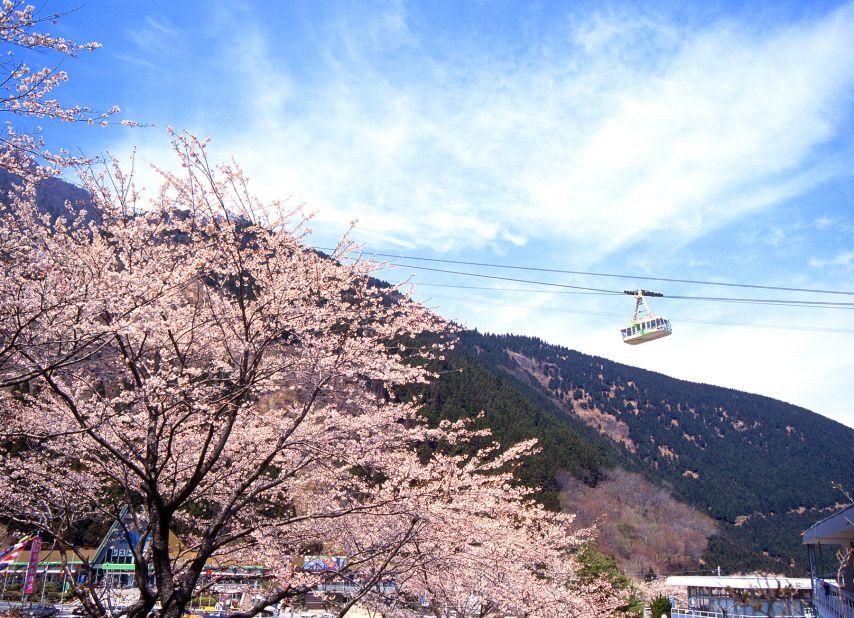
Kintetsu Beppu Ropeway (Oita): If hiking is not your thing, the Kintetsu Beppu Ropeway is an ideal option. This cable car can transport up to 101 passengers in just 10 minutes to the summit of Mount Tsurumi, which stands at a majestic height of 1,375 meters. From the top, you'll be mesmerized by the panoramic views of Beppu, Mount Yufu, and the Kuju Mountain Range. It is especially breathtaking in the spring when over 2,000 cherry trees adorn the mountainside, creating a stunning pink and white vista.
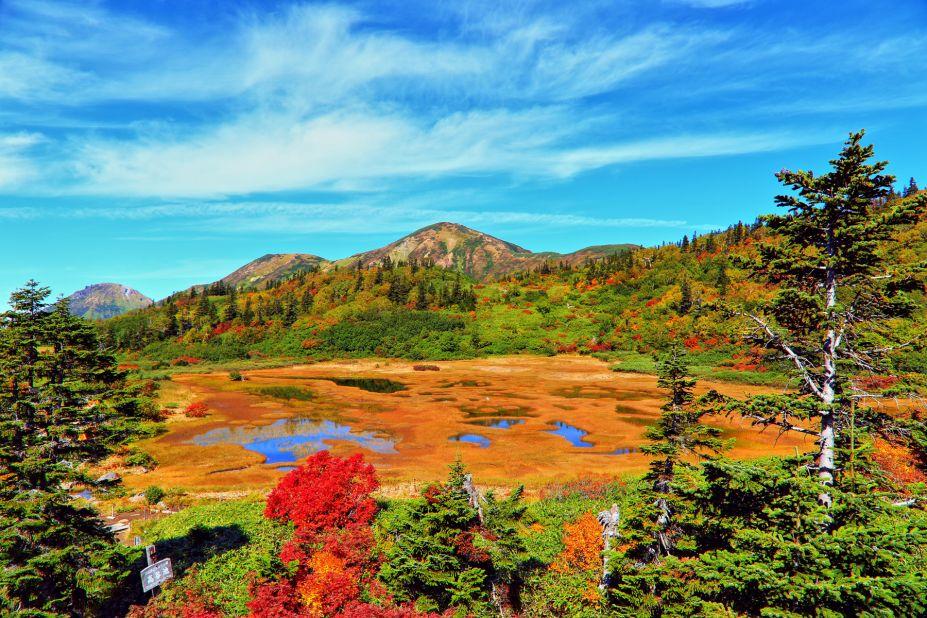
Koya Pond (Niigata): Experience the breathtaking beauty of Koya Pond during the fall season at Mount Hiuchi. As the colors of the surrounding forest are reflected in the shallow and marshy waters, the pond transforms into a stunning palette of red, orange, yellow, and green. For those embarking on the challenging hike up the 2,462-meter-tall mountain, the Kouyaike Hutte located on the pond's edge offers a perfect resting spot with comfortable beds and kitchen facilities.
Did you know? Mount Hiuchi is part of the Japanese Alps, a mountain range that spans across several regions of Japan. Its impressive height and scenic beauty make it a popular destination for hikers and nature enthusiasts.
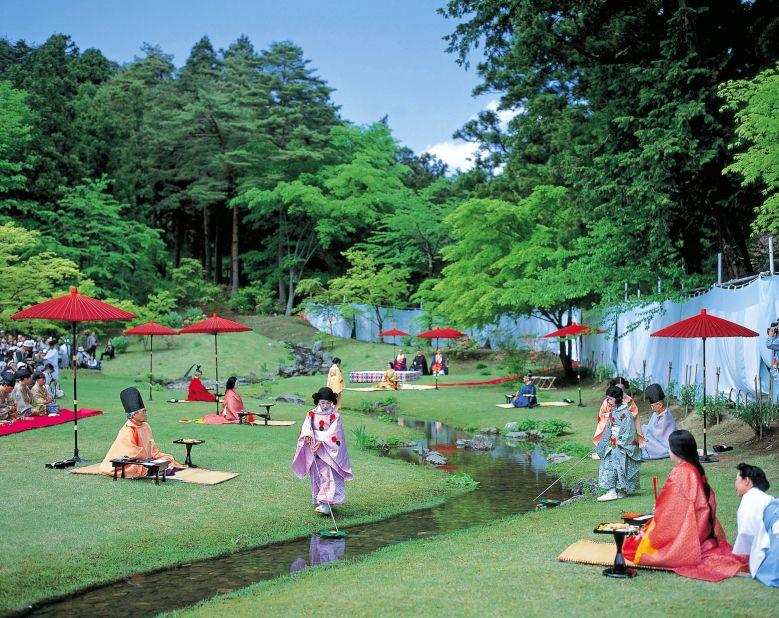
Immerse Yourself in Poetry at Motsu-ji Temple (Iwate): Join poetry enthusiasts from around the world at Motsuji Temple, where creativity and inspiration flow alongside the tranquil stream of the temple's garden pond. On the fourth Sunday of May, you can embark on a poetic journey as cups of sake gently float towards you, helping to liberate your artistic expression.
During this unique event, participants find solace in the picturesque surroundings, and while composing their verses, they are immersed in a sense of serenity. As the masterpiece takes shape, the master of ceremonies concludes the gathering by eloquently reciting each poem, adding a touch of elegance to the experience.
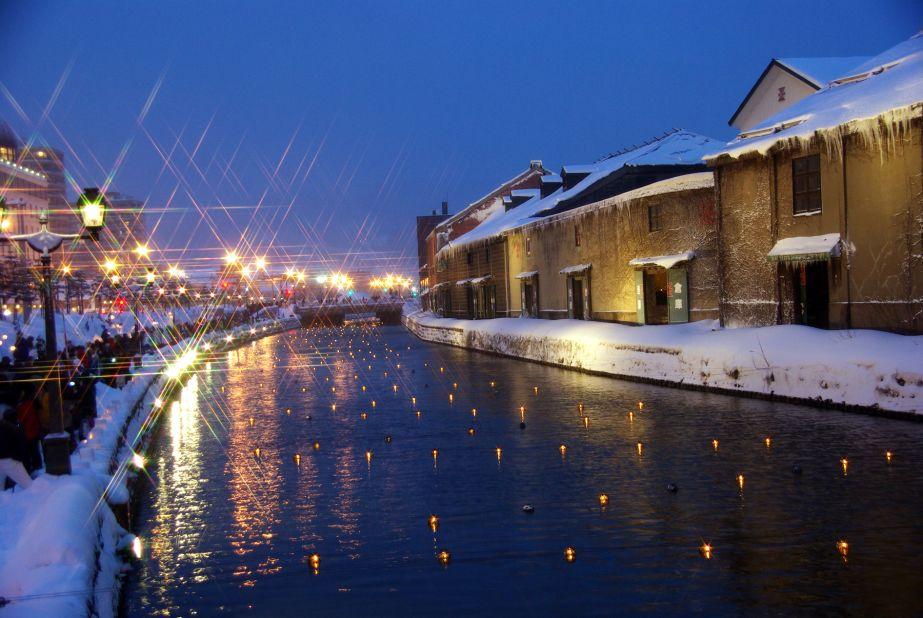
Experience the Magical Otaru Snow Light Path Festival in Hokkaido: Immerse yourself in the mesmerizing beauty of the Otaru Snow Light Path Festival, a truly enchanting event that takes place every February in Otaru. Witness hundreds of buoyed candles gracefully floating along the Otaru Canal, creating a dazzling display of lights that reflects upon the snowy landscape.
For 10 days, the city of Otaru comes alive with lanterns and intricately carved snow statues, transforming the Hokkaido city into a winter wonderland. The festival takes place in Unga Kaijo, an area surrounding the canal, which is lined with restored warehouses and charming gas lamps. This picturesque setting provides the perfect backdrop to immerse yourself in the festivities and indulge in the warm and inviting atmosphere.
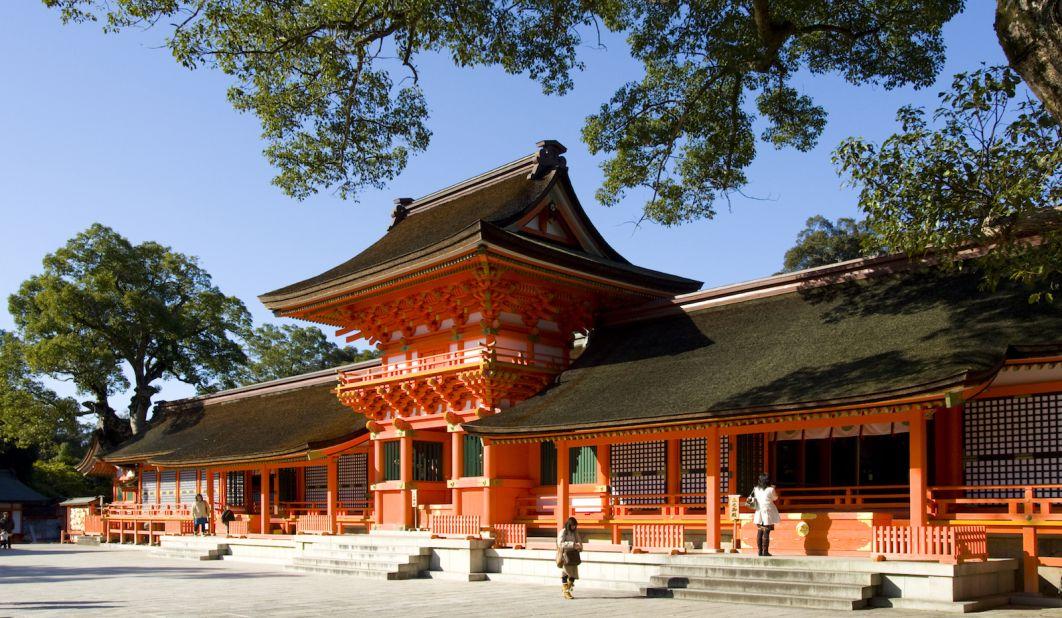
Usa Shrine (Oita): Originally constructed during the 8th century, Usa Shrine holds a significant position among the multitude of shrines devoted to Hachiman, the god linked with archery and warfare. Once visitors have obtained a fortune paper (known as omikuji), ideally receiving a daikichi (exceptionally fortunate) one, they can indulge in a popular local treat known as negiyaki, a savory green onion pancake, within the shrine premises.
In addition to its rich historical origins, Usa Shrine offers visitors a chance to delve into the spiritual realm of Hachiman, immersing themselves in the centuries-old traditions and rituals associated with the deity. As an important cultural site, it represents a captivating destination for those wishing to explore Japan's fascinating religious heritage.
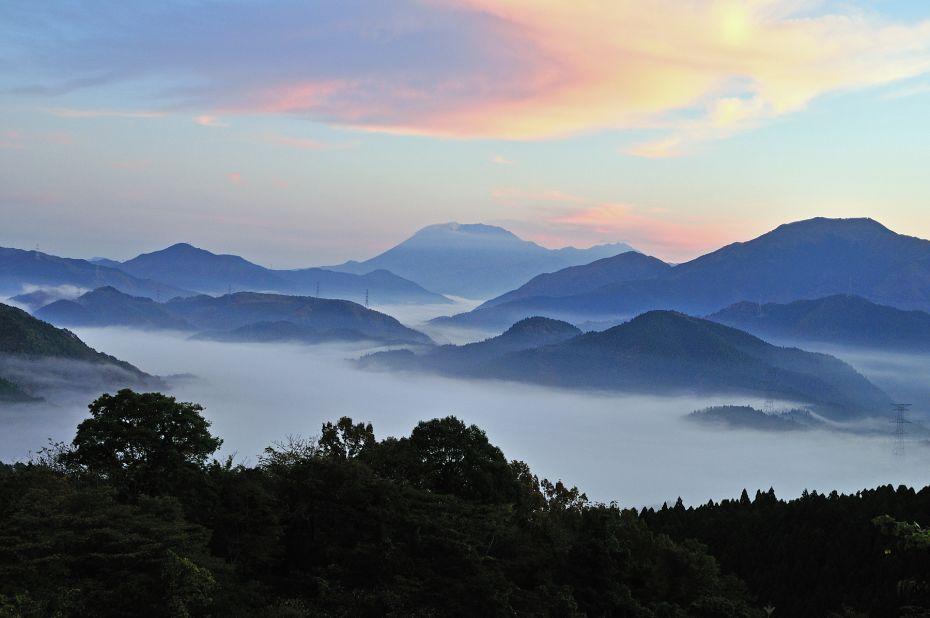
Discover the Mystical Beauty of Mt. Daisen: Mt. Daisen, located in Tottori, offers a unique experience to travelers with its ever-changing landscape depending on the perspective. This awe-inspiring volcanic mountain, towering at a height of 1,709 meters, has been considered sacred since the ancient Jomon and Yayoi periods. In fact, its cultural significance was so prominent that climbing the mountain was forbidden until around 200 years ago during the Edo period.
Experience the enchantment and tranquility of Mt. Daisen as you explore the breathtaking views and immerse yourself in the spiritual essence that it exudes. Whether you choose to observe it from different angles or embark on a thrilling ascent, every moment spent in the presence of this majestic natural wonder will leave an indelible mark on your soul.
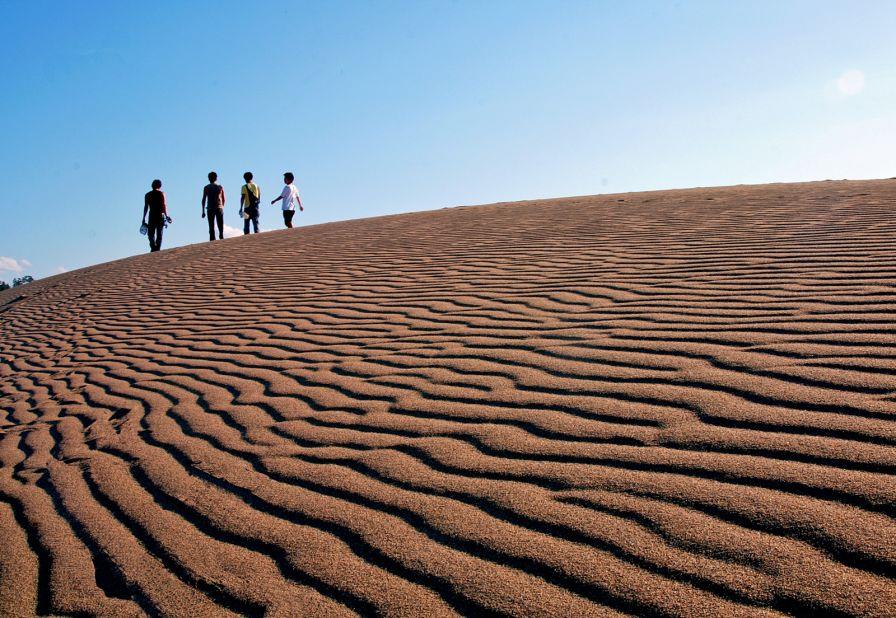
Tottori-sakyu Sand Hills (Tottori): Japan is known for its diverse landscapes, and one unexpected gem is the Tottori-sakyu Sand Hills. Spanning an impressive 16 kilometers in length and 2 kilometers in width, these sand dunes are the largest in Japan. Over thousands of years, a mixture of sand and volcanic ash has been shaped by the persistent winds from the Sea of Japan, creating a unique landscape that feels like stepping into a desert oasis.
If you're seeking an adrenaline rush or simply want to admire the breathtaking views, there are several ways to experience these majestic dunes. Embark on a memorable camel ride, where you can leisurely explore the vast expanse of golden sands. For more excitement, hop on a dune buggy and feel the thrill of cruising through the sandy terrain. Alternatively, try your hand at sandboarding, gliding down the soft slopes for an exhilarating adventure.
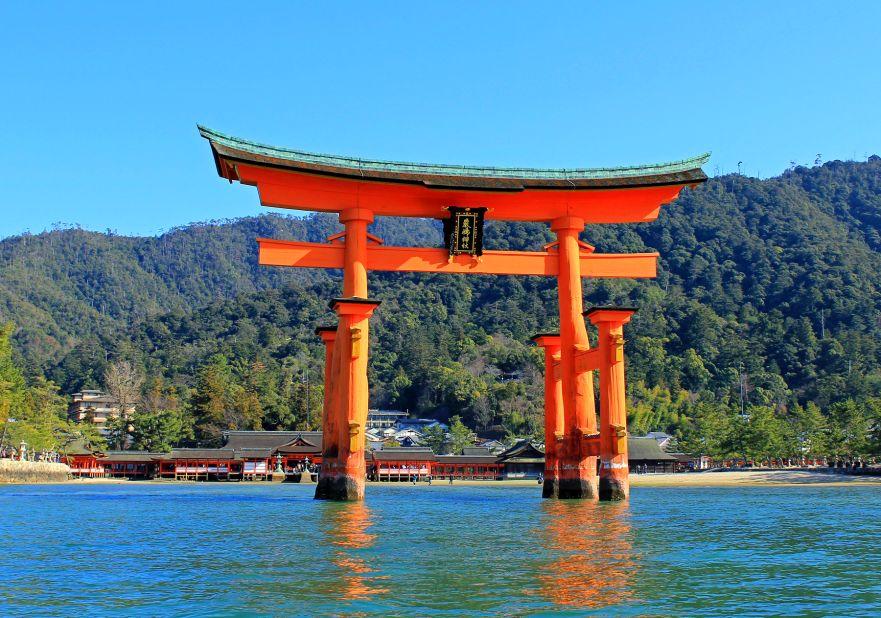
Explore Itsukushima Shrine in Hiroshima: Immerse yourself in the mystical world of Itsukushima Shrine, a sacred site believed to serve as the boundary between the spirit and human realms. The vibrant vermillion color of the Otorii gate is not only visually stunning, but it is also said to ward off any negative energy. Experience a truly unique perspective by walking to the gate during low tide, where you can marvel at the majestic Mount Misen in the background. When the tide rises, witness the breathtaking sight of the 16-meter-high Torii gate seemingly floating on the water, creating a mesmerizing interplay between land and sea.
To fully appreciate the rich history and natural beauty of Itsukushima Shrine, take a leisurely stroll along the sand bar and savor the serene atmosphere of this enchanting place. Don't miss the opportunity to explore the surrounding area and discover the hidden treasures and cultural wonders that Hiroshima has to offer. Whether you're an avid photographer, a history enthusiast, or simply seeking a tranquil escape, Itsukushima Shrine should be on every traveler's must-visit list in Japan.
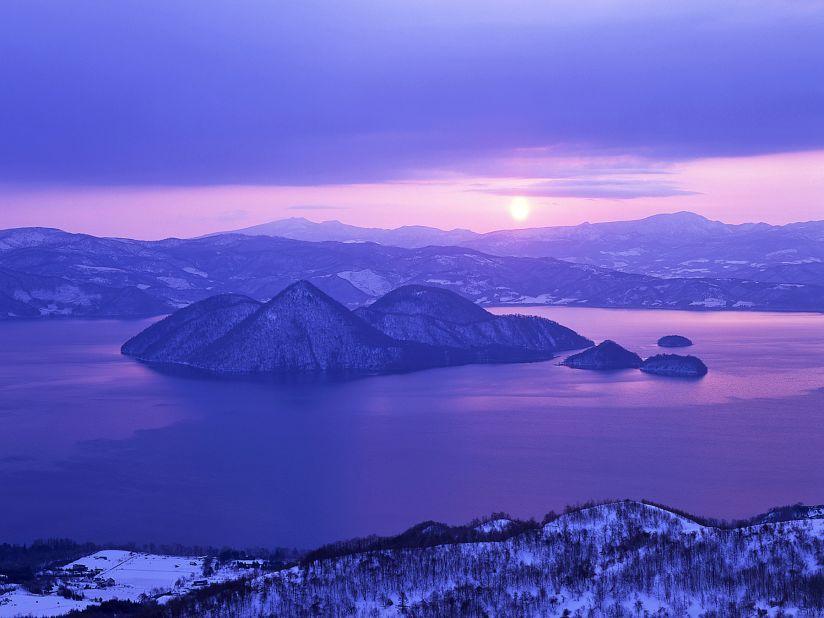
Lake Toya (Hokkaido): Even in winters that plummet well below freezing point, Lake Toya never ices over. The near-circular lake is the remains of a volcanic eruption that hollowed out the ground. Mount Usu lies on the southern rim of the lake and Nakajima Island sits at the center.
 ">
">
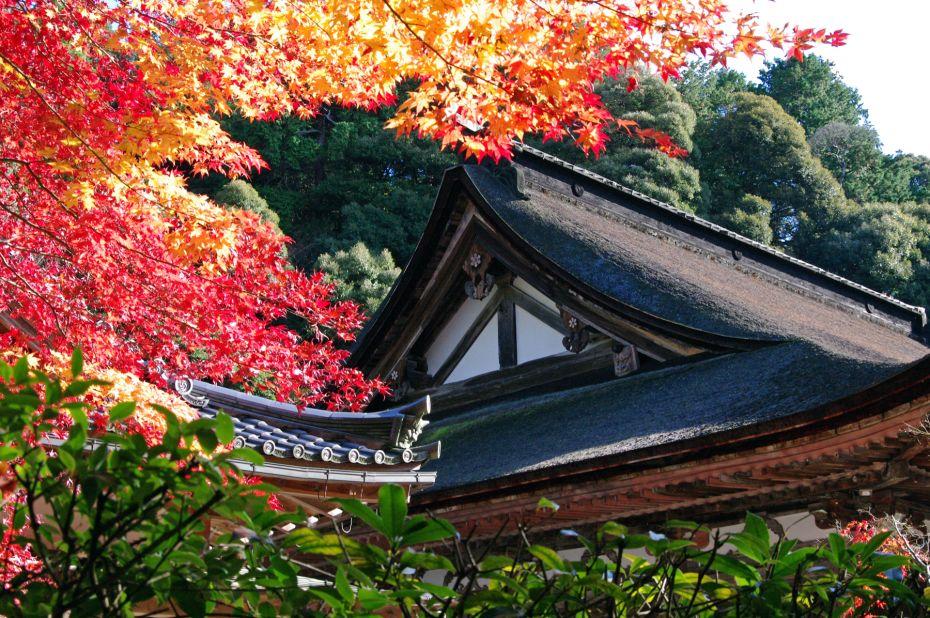
Saimyoji Temple in Shiga: Situated within the picturesque Suzuka mountain range, Saimyoji Temple stands proudly as one of the three ancient Tendai Buddhist temples in eastern Shiga, famously referred to as "Koto Sanzan." This sacred site is particularly renowned for its enchanting display of vibrant red and orange leaves during the autumn season, creating a captivating spectacle for visitors. Moreover, the temple boasts a magnificent collection of cherry trees that bloom for an extended period, adding to the mesmerizing beauty of the surroundings.
At Saimyoji Temple, travelers can embark on a serene journey through time, immersing themselves in the rich history and spiritual significance of the Tendai Buddhist tradition. The tranquil ambience of the temple and its stunning natural surroundings make it an ideal destination for those seeking peace and introspection amidst the backdrop of breathtaking autumn foliage and blooming cherry blossoms.
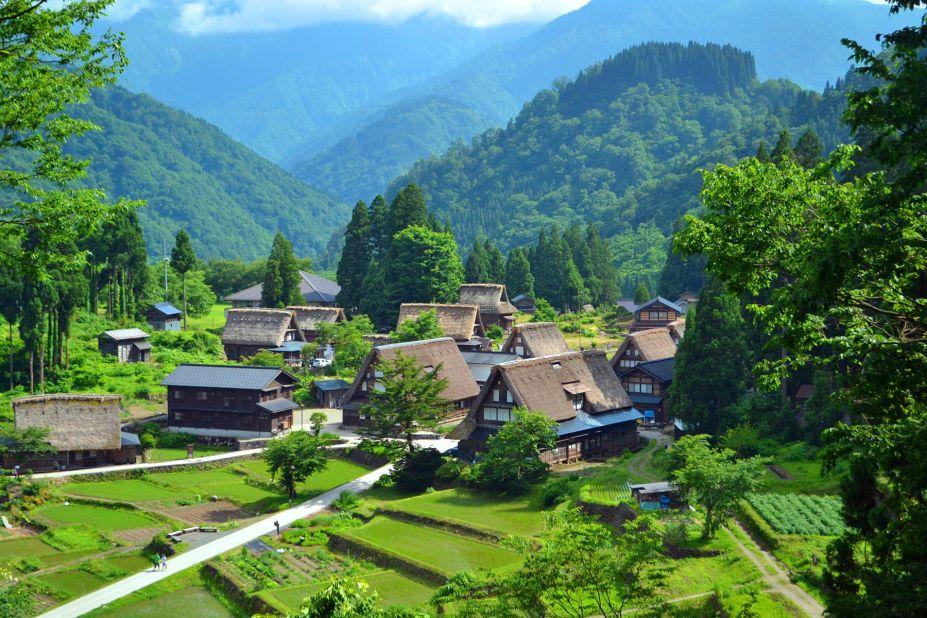 greatest towns for architecture buffs in the world. The oldest traditional gassho style house in Ainokura is said to be about 400 years old. Part of the UNESCO-designated area of Gokyama, the village preserves an architectural design that dates back hundreds of years. The steep triangular thatched roofs were built without the use of nails and are designed to prevent snow buildup.">
Gokayama (Toyama): Discover the captivating charm of Gokayama, an architectural paradise that will transport you back in time. Immerse yourself in Japan's rich heritage with a visit to Ainokura, home to the oldest remaining gassho-style house, boasting a history of over four centuries. As an integral part of the UNESCO-designated Gokyama region, this picturesque village showcases traditional architecture that has withstood the test of time.
Get ready to be awed by the steep triangular thatched roofs, ingeniously crafted without the use of nails, serving both functional and aesthetic purposes. These unique structures expertly minimize snow buildup, ensuring the preservation of this architectural gem for future generations to marvel at.
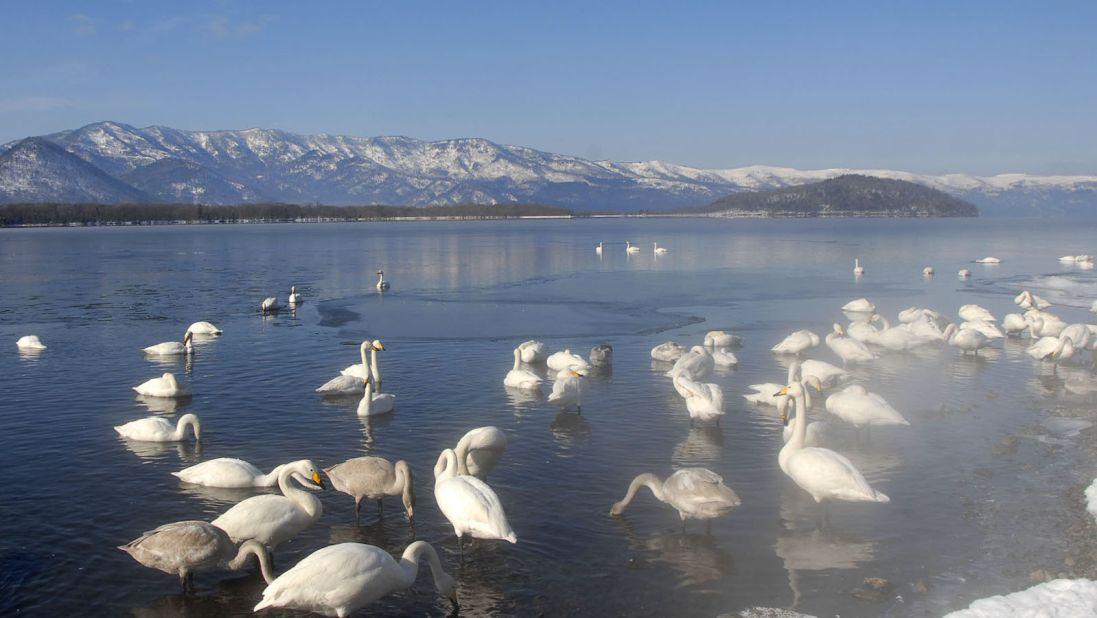
Lake Kussharo in Hokkaido: During the winter, a remarkable sight awaits at Lake Kussharo as around 300 whooper swans migrate there. Despite the freezing temperatures, the geothermal springs that dot the lake's sandy shores prevent it from completely freezing over. It is believed to be one of the few places in Japan where you can witness this unique phenomenon.
Since 1973, Lake Kussharo has gained fame due to reported sightings of a lake monster affectionately named Kusshii by the media. This has led people to compare it to Scotland's Loch Ness, earning it a reputation as Japan's very own Loch Ness.
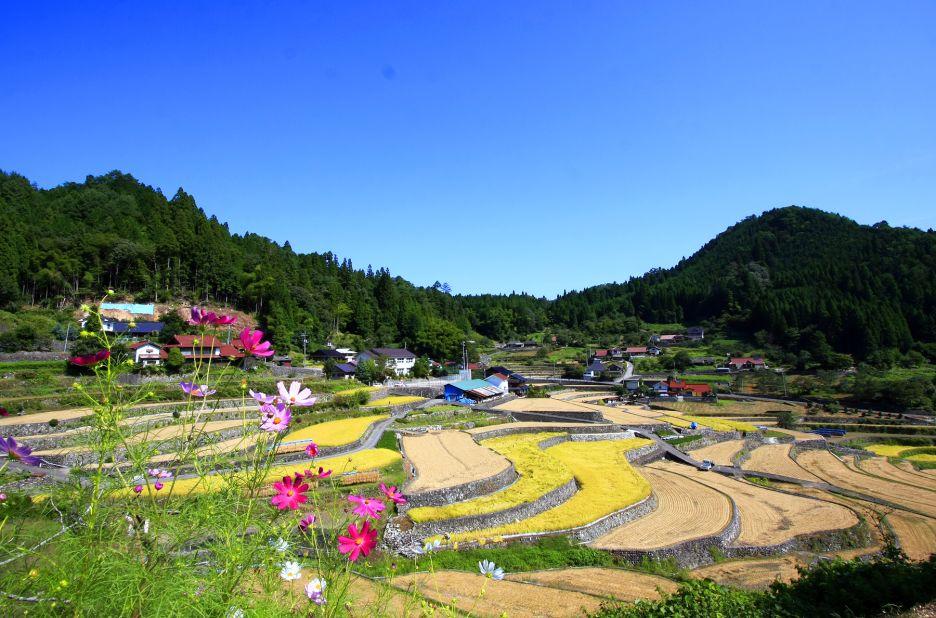
Experience the Splendor of Ini Tanada (Hiroshima): Discover the awe-inspiring beauty of more than 320 terraced rice paddies in Ini, each showcasing a testament to centuries-old agricultural practices.
These ancient stone terraces, some dating back 500 years, are carefully cultivated using only pristine water sourced from mountain valleys, resulting in rice renowned for its exquisite aroma and flavor. Immerse yourself in the traditional farming methods by participating in Ini Tanada's special rice planting events regularly held on these magnificent terraces.
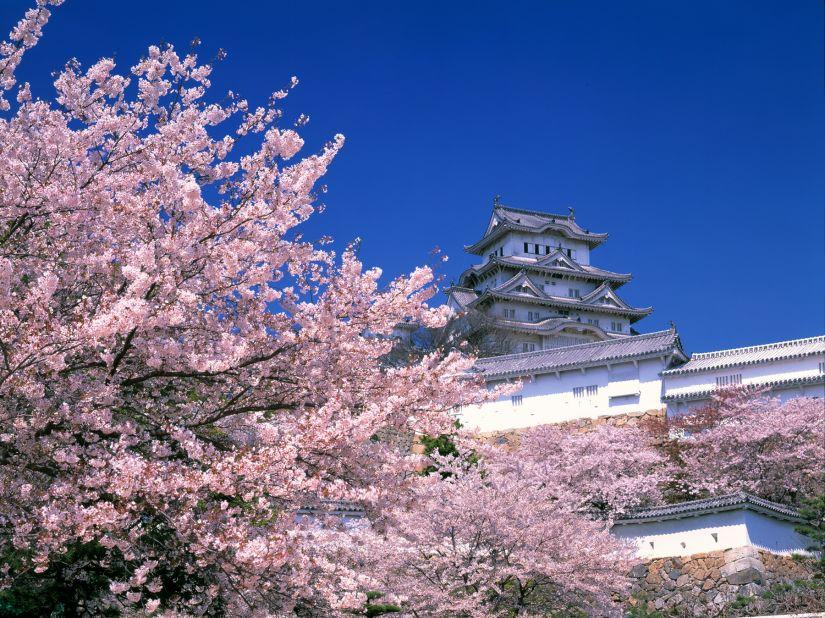
Himeji Castle (Hyogo): With its striking white exterior resembling a bird in flight, Himeji Castle, also known as the "White Egret" or "White Heron" castle, consists of a collection of 83 buildings. Built in the 17th century, this historic castle boasts formidable defense systems. Remarkably, Himeji Castle has been a popular backdrop for both Hollywood and Japanese movies, notably appearing in the iconic James Bond film "You Only Live Twice."
If you're planning a trip to Japan, a visit to Himeji Castle should definitely be on your itinerary. Explore the intricate architecture, stroll through the beautiful grounds, and immerse yourself in the rich history of this UNESCO World Heritage Site. Don't forget to capture some stunning photographs of the castle, which is particularly enchanting during cherry blossom season. Make sure to check their official website for admission details and guided tour options.
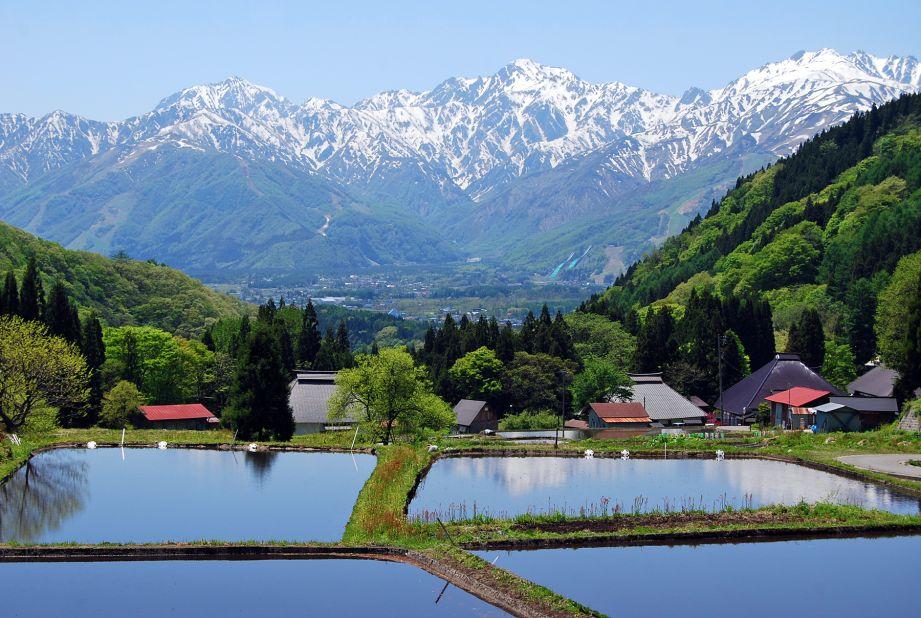
Hakuba village (Nagano): Known as a popular winter destination for skiing in the stunning northern Japanese Alps, Hakuba also offers tremendous appeal in the summer months. One of the highlights is the hike to Happo Pond, which is widely regarded as one of the most breathtaking trails in the entire country. Exploration of this scenic route promises an unforgettable experience.
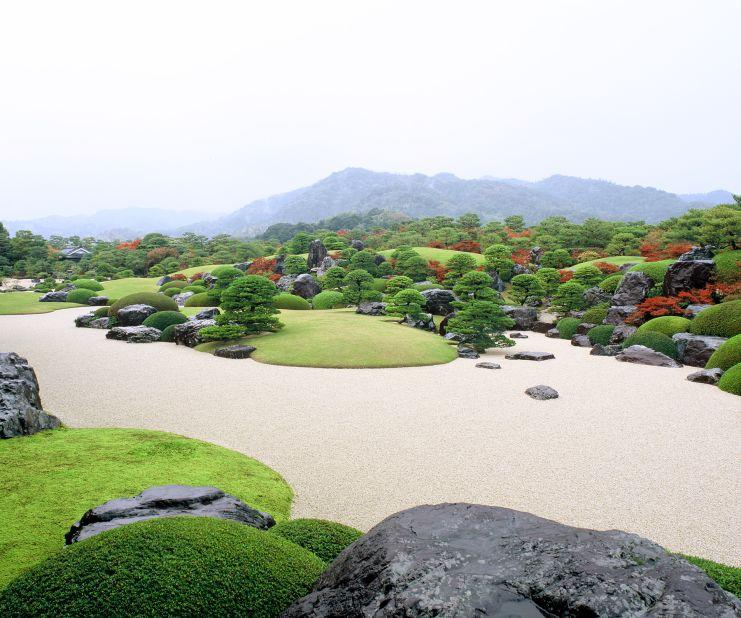
Adachi Museum of Art (Shimane): The Adachi gardens, a part of Adachi Museum of Art, are said to be a "living Japanese painting" and one of the most beautiful gardens in Japan. Adachi Zenko founded the museum in 1980 to combine his passion for Japanese art and gardening.
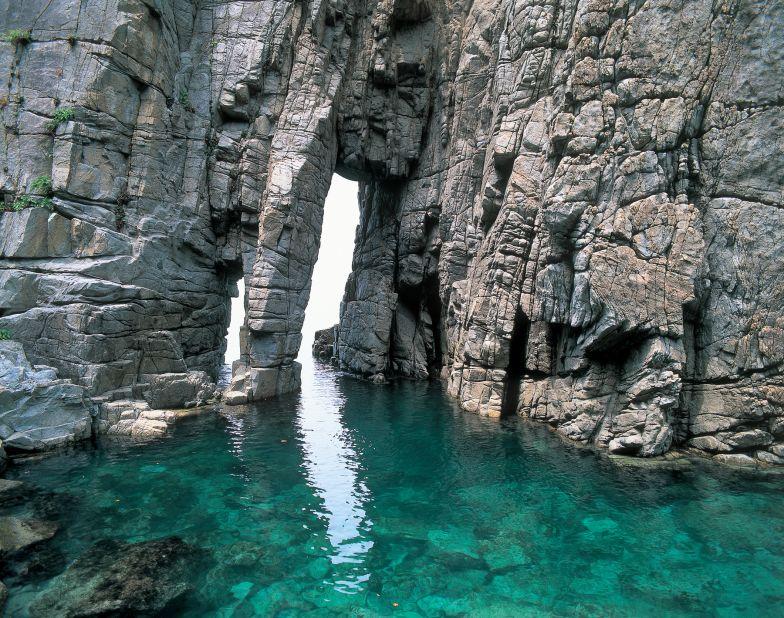
Sotomo Arch (Fukui): The Sotomo Arch in the bay of Wakasa is a breathtaking location shaped by the powerful waves of the Sea of Japan. These natural wonders, known as the Big Gate and Little Gate, are carved holes in the rock formation. For the adventurous, it's even possible to climb into the smaller gate and witness the beauty up close.
For an unforgettable experience, hop on an excursion ship departing from the Wakasa Fishermen's Wharf. This cruise allows visitors to admire the stunning rock formation as they explore the bay. Don't miss the chance to witness this awe-inspiring manifestation of nature's forces.
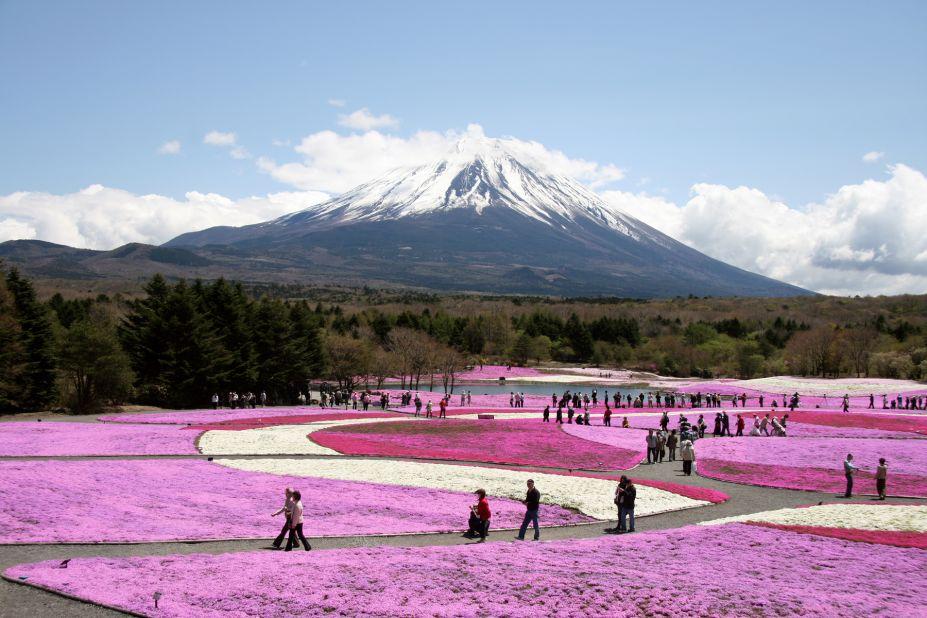
The Fuji Shibazakura Festival in Yamanashi is a must-see experience for any traveler visiting Japan. Set against the majestic backdrop of Mount Fuji, visitors are treated to a breathtaking sight of 800,000 stalks of vibrant shibazakura, also known as "moss phlox", spreading over 2.4 hectares of land in a captivating display of pink, white, and purple hues.
This annual festival draws thousands of people to the Fuji Five Lakes area to celebrate the flower's first bloom. It offers a unique opportunity to immerse oneself in the beauty of nature and Japanese culture while admiring the striking contrast between the colorful flowers and the iconic mountain. Don't miss the chance to capture memorable photos and create lasting memories at this enchanting event.
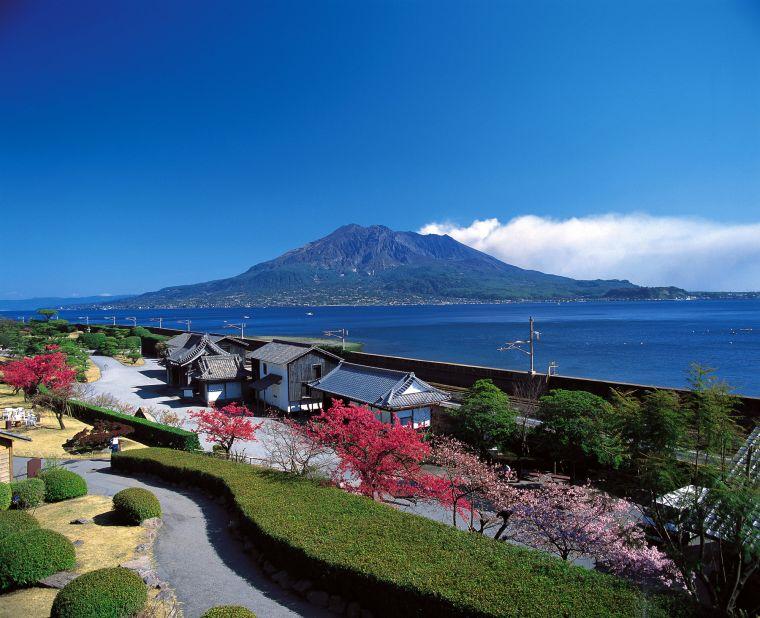
Senganen Garden (Kagoshima): The Japanese style landscape garden features small ponds, streams, shrines and a bamboo grove. Set along the coast north of downtown Kagoshima, visitors can look out at Sakurajima volcano and Kagoshima Bay. The garden dates back to 1658, during Japan's Edo period.
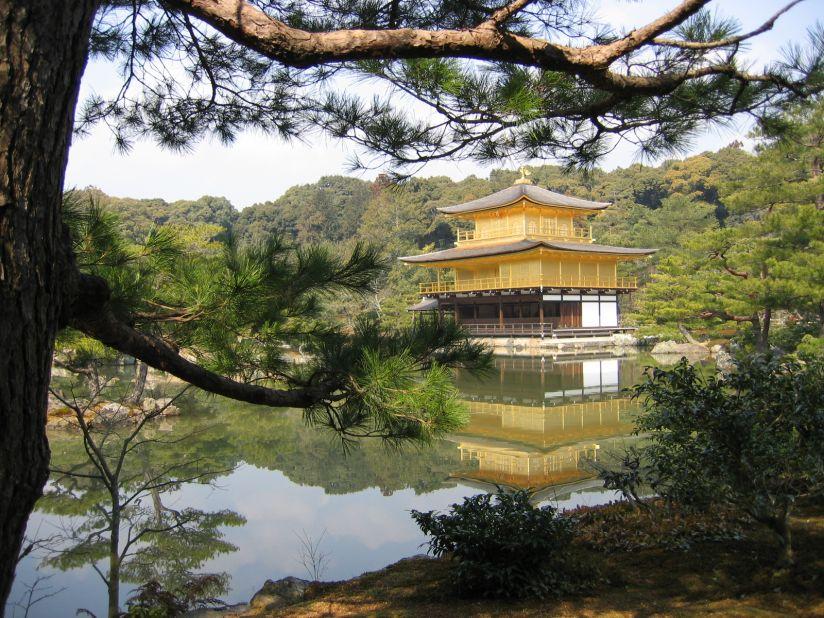
Kyoto's Most Renowned Attraction: Known as the Golden Pavilion, Kinkaku-ji stands out with its stunning golden leaf covering, making it the epitome of beauty in Kyoto.
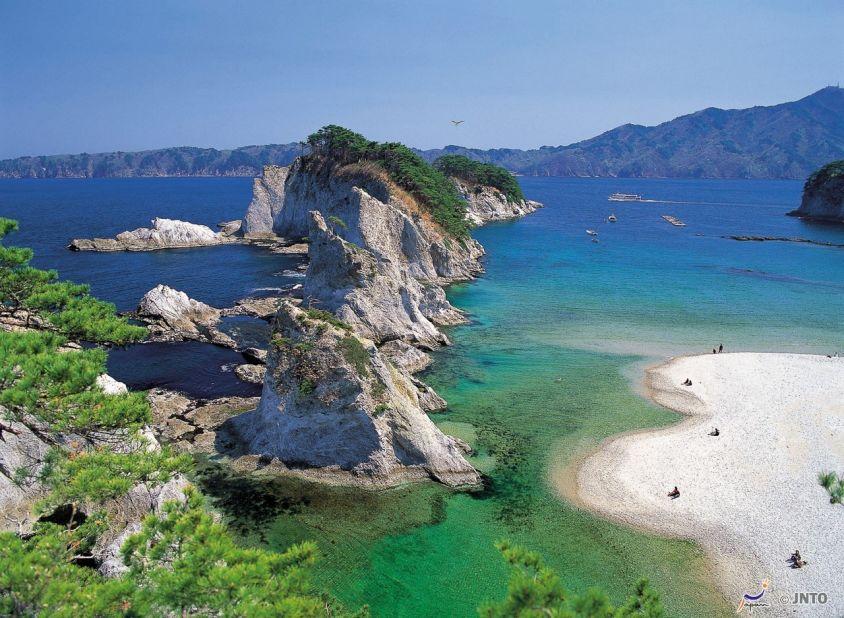
Jodogahama Beach (Iwate): This magnificent beach in the Iwate prefecture, known as "Jodogahama" or Pure Land, is a sight to behold. Situated within the Rikuchu Kaigan National Park, it has received national recognition as one of Japan's most beautiful locations.
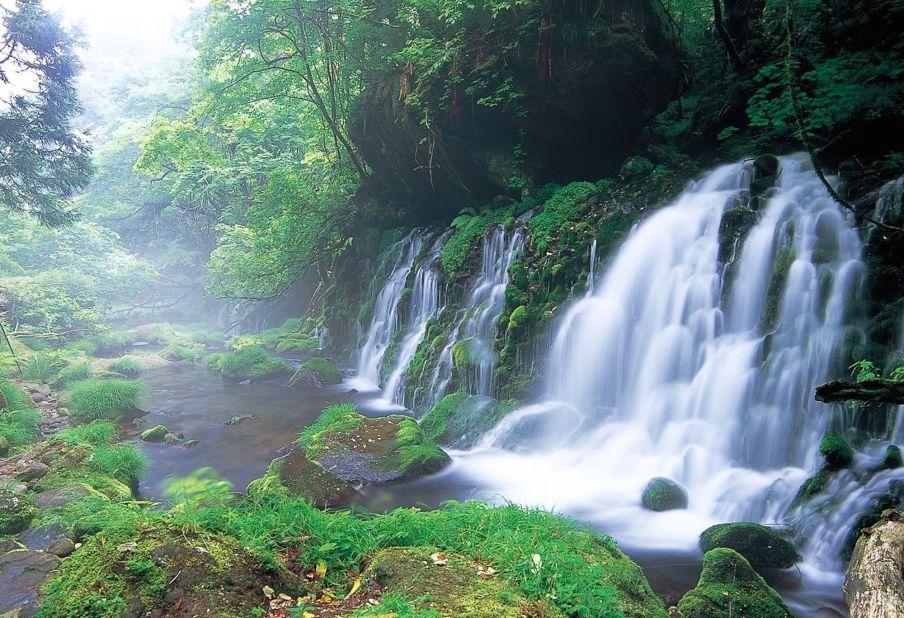
Mototaki Waterfall in Akita: This picturesque waterfall, which is continuously supplied by the snow from Mount Chokai, maintains a cool temperature even during the warmer months. It is located in Akita prefecture, situated within Japan's Tohoku region.
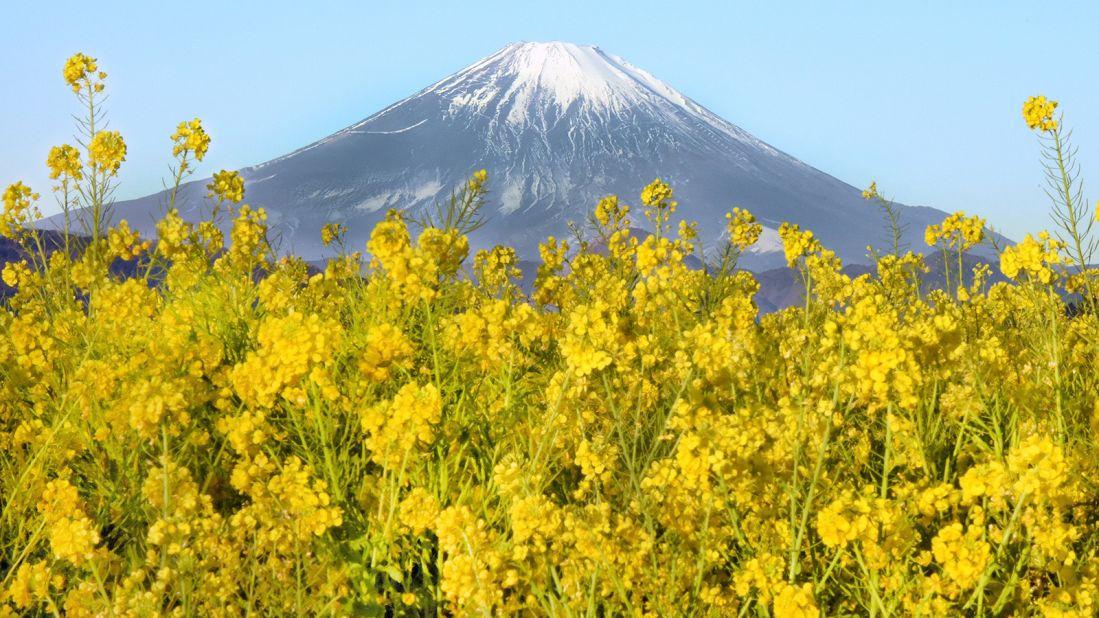
Discover the Majestic Beauty of Mount Fuji: A must-visit destination in Japan, Mount Fuji stands tall as one of the country's most sacred mountains and a renowned natural wonder. This iconic peak beckons adventurous souls, offering an awe-inspiring hiking experience amidst its symmetrical allure.
Aspiring hikers and curious travelers alike are drawn to the postcard-like scenes and artistic inspirations that Mount Fuji has effortlessly provided throughout history. Its serene presence continues to capture the hearts of those seeking a deeper connection with Japan's rich cultural and natural heritage.
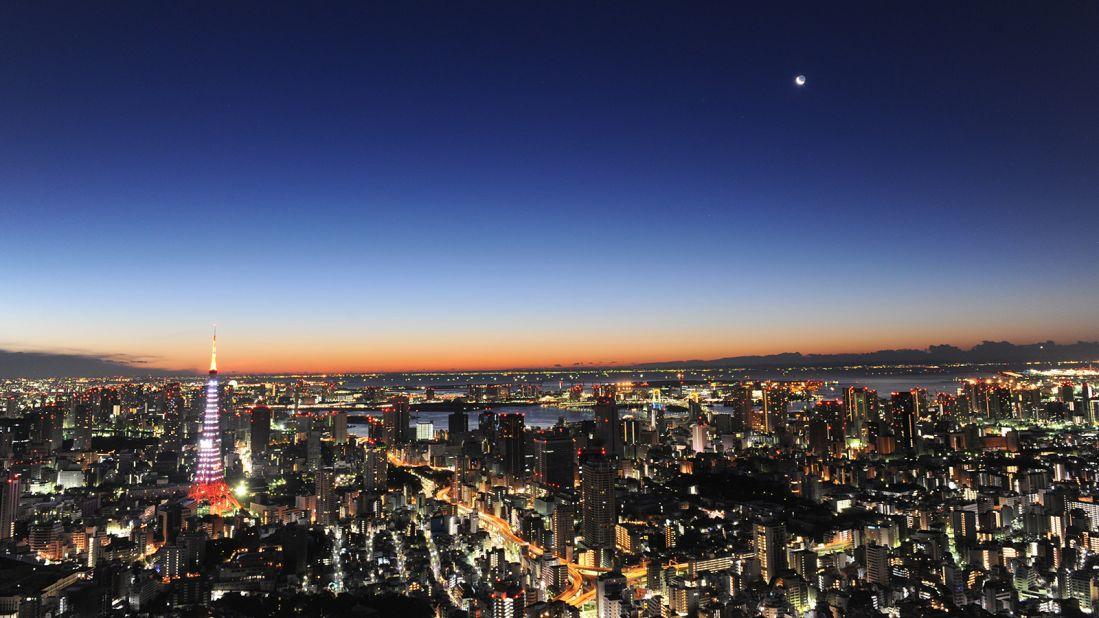
Tokyo: Tokyo's cityscape -- a mix of historic temples, skyscrapers and the iconic Tokyo Tower -- is a sight Japan lovers never tire of. The open-air Sky Deck of Roppongi Hills is one of the best places to snap an Instagram-perfect shot like this one.
The allure of Japan is undeniable and simply endless.
Whether you're on a gastronomic exploration in Tokyo and Osaka or you're losing yourself in the breathtaking scenic landscapes that make up Japan, one visit will not be sufficient. The pursuit of taking it all in might be challenging, but undeniably thrilling.
We have crafted an essential guide of must-try experiences in Japan to make your next trip more fruitful. Don't miss out on going through the photo collection at the start of this piece that showcases magnificent destinations in Japan for further travel inspiration.
Discover the Beauty of Japan's Natural Wonders
While Japan's vibrant cities often steal the spotlight, don't miss the opportunity to immerse yourself in the country's breathtaking landscapes. Prepare to be captivated by the diverse and magnificent natural wonders that await your exploration. From majestic mountains to pristine shorelines, Japan offers an array of experiences that combine both tranquility and excitement.
Embark on a hiking journey to Mount Fuji, standing proudly as Japan's highest peak, and witness the awe-inspiring beauty of its rocky summit. For a contrasting experience, indulge in the idyllic surroundings of the enchanting white-sand beaches that line the Japanese coast.
Embracing the Chill of Japanese Winter
Often fondly remembered for the grandeur of the 1998 Winter Olympics, Nagano has securely positioned itself as a winter haven in the eyes of many international tourists. Yet, Niseko, situated on Hokkaido, the northernmost island of Japan has rapidly emerged as a popular destination for those seeking illustrious powder snow combined with a thriving gastronomic affair.
Meanwhile, located on Honshu, Japan's biggest island, the beloved Zao Onsen in Yamagata prefecture opens up opportunities to indulge in skiing, take a dip in an onsen (more about this wonder later), and witness the surreal phenomenon of “snow monsters”. These "monsters" are actually trees coated with heavy snow and ice, giving them a monstrous appearance.
For a unique experience, the Tateyama Kurobe Alpine Route, known as Japan's rooftop due to its high altitude, presents a rare spectacle: a road enveloped by enormous snow walls reaching up to 17 meters. An experience akin to driving through a frozen castle, this route is surely a sight to behold.
Beach hopping

One can quickly understand how the breathtaking beach in the Iwate prefecture obtained its name, "Jodogahama," or Pure Land.
As an archipelagic country, Japan boasts breathtaking beach landscapes that are equally as captivating as its towering skyscrapers and state-of-the-art bullet trains.
Nestled in Japan's main island's northern part, Jodogahama Beach (which translates to Pure Land) serves as a peaceful haven, presenting visitors with pristine water and dramatic white cliffs.
If you fancy slightly darker sand that's softer to the touch, Ibusuki Beach should be on top of your go-to list. This subtropical beach is renowned for a unique custom – suna-mushi or sand bathing.
Onsen soaking
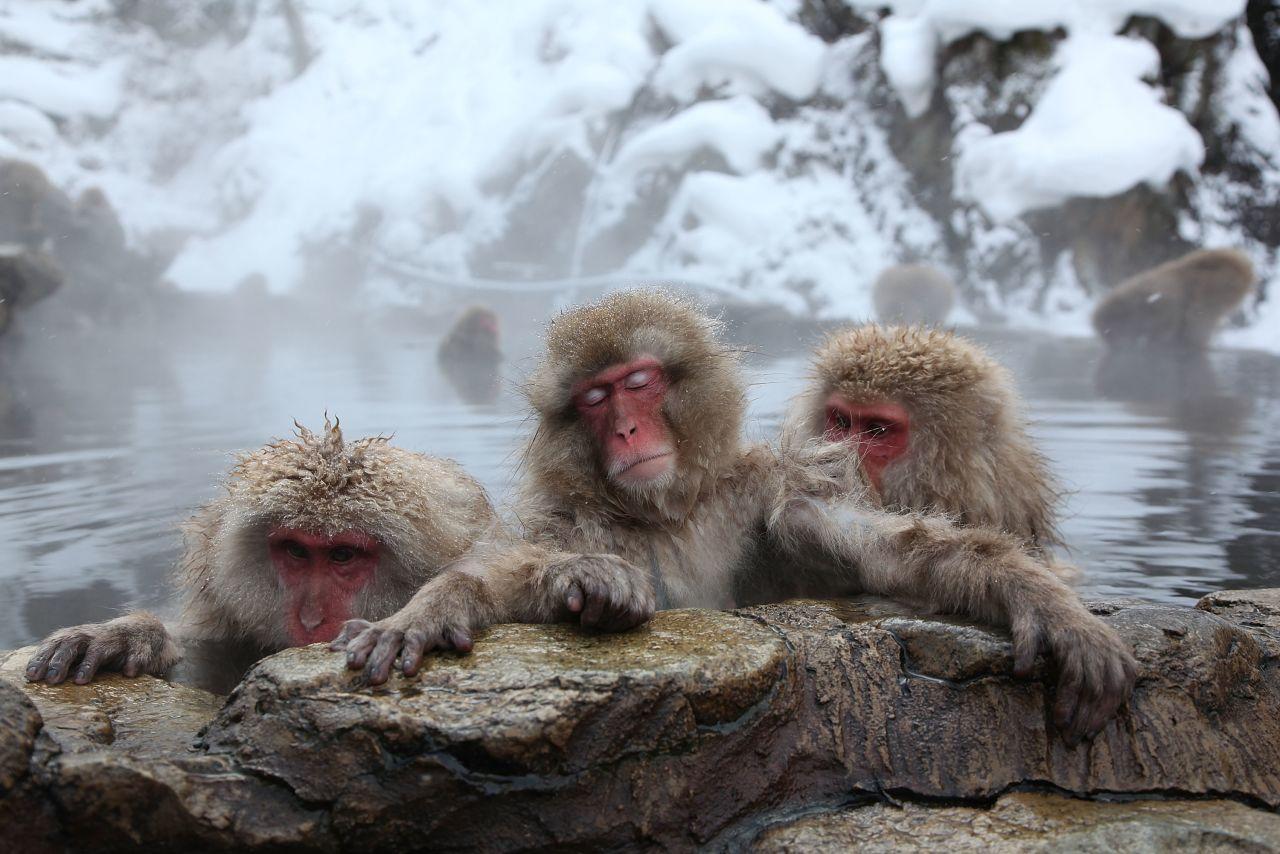
In Japan, even the macaques have discovered the pleasure of lounging in an onsen.
If you've not yet experienced the unique tradition of a Japanese onsen, here's something important to remember: Shedding your clothes isn't merely accepted — it's compulsory.
"Onsen" usually refers to Japan’s naturally occurring hot springs, but the word can also encompass establishments such as spas and inns, which channel these thermal waters into their own dedicated bathing spaces.
A host to thousands of onsens around the corners of the country, there is one city that stands out as the epicenter of Japan’s thermal spring experience - Beppu. The reason for its fame is crystal clear: The city boasts of an impressive count of over 2,500 hot springs and holds the record as the world's second-biggest source of thermal spring water.
For those adorned with body art, navigating the cultural norms of a traditional Japanese onsen can prove complex due to numerous establishments prohibiting tattoos due to historical ties with yakuza crime syndicates.
Thankfully, a solution exists in the form of Tattoo-Friendly. This website guides users to accommodations, recreational facilities and bath houses that openly welcome tattooed guests. Visitors to the site can fine-tune their search based on the type of amenity desired, be it a gym, pool, ryokan (traditional inn), hotel, or sento (public bath).
Each locale featured on the platform provides a concise summary of the facilities on offer, alongside the establishment's specific stance on tattoos.
Hanami
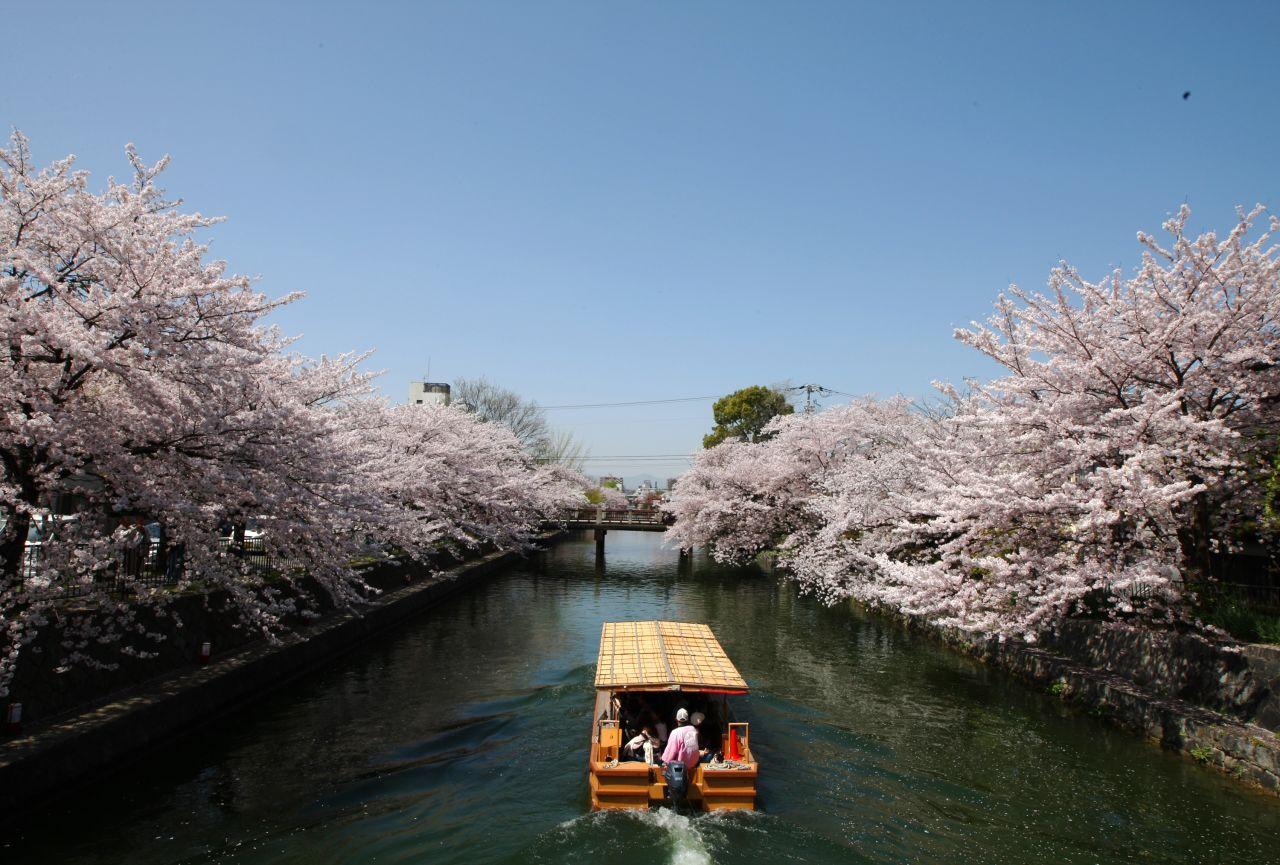
In the springtime, Japanese locals often congregate in parklands to appreciate the striking pink cherry blossoms, commonly partaking in meals beneath the blooming trees.
Heralding the arrival of spring, Japan partakes in an enduring tradition, hanami, or otherwise cherished as the act of relishing the transient beauty of the spring blossoms. This time-honored tradition provides a profound sense of unity and tranquility.
This national pastime is so deeply entrenched in the societal psyche that the annual unveiling of the sakura (cherry blossom) forecast by the Japan Weather Association is a televised event, whilst the Japan National Tourism Organization continually posts updates about the cherry blossoms on their official webpage.
If you're keen on participating, you might want to look into some of these premier venues throughout Japan to partake in the spectacular spring blossom show.
Hiking
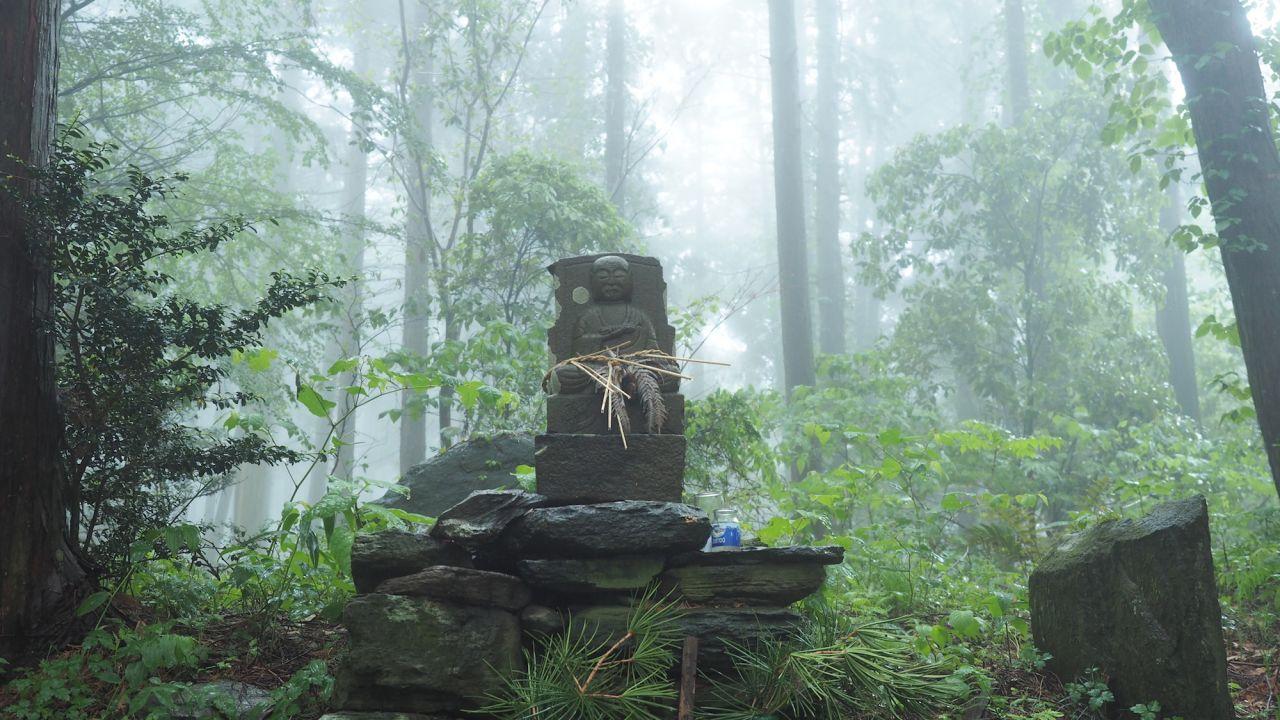
A hike along the Kumano Kodo trail is a Wakayama highlight.
Being a mountainous nation, trekking is an extremely popular Japan activity.
For a spiritual journey, try Kumano Kodo, a multiday pilgrimage across Wakayama prefecture – fueled by great food, cute rural villages and rich culture along the way.
More than a thousand years ago, imperial leaders and aristocrats made their way to the main Kumano Kodo shrines through a network of hikes across the island. At the end of the hike we recommend spending the night at a temple in the mountaintop town of Koyasan, the center of Shingon Buddhism.
Here, ancient cedar forests share space with historic pagodas, paved roads, restaurants, schools, cafes and souvenir shops.
The enchanting Yakushima forest (the setting for Hayao Miyazaki’s epic film Princess Mononoke) on Kyushu island and the Sagano bamboo forest on the outskirts of Kyoto are other family-friendly places to enjoy a quiet walk in Japan.
EMBRACING THE PAST
Japan represents a perfect blend of tradition and progress, demonstrated through its remarkable achievements in technological innovation alongside a deep-rooted appreciation for its cultural heritage. From awe-inspiring architecture and captivating art to timeless fashion and delectable cuisine, Japan offers a diverse range of experiences that encapsulate its traditional essence.
By immersing yourself in these unique experiences, you can truly grasp the essence of Japan's rich cultural tapestry.
Explore the beauty of ancient shrines and temples that whisper tales of history and spirituality, or witness the grace and precision of a traditional tea ceremony, where every movement is a carefully choreographed spectacle. Marvel at the intricate craftsmanship of traditional pottery and textiles, whose roots can be traced back centuries.
Embark on a culinary adventure, savoring the flavors of Japan's traditional cuisine, from delicate sushi and soul-warming ramen to the theatrical artistry of teppanyaki. And don't forget to witness the competitive spirit and grace of sumo wrestlers as they showcase their traditional sport, dating back centuries.
Japan's commitment to preserving its traditions while forging ahead with technological innovation is truly something to behold. Embarking on these traditional experiences will offer you an authentic glimpse into the soul of this captivating country.
Stay in a ryokan
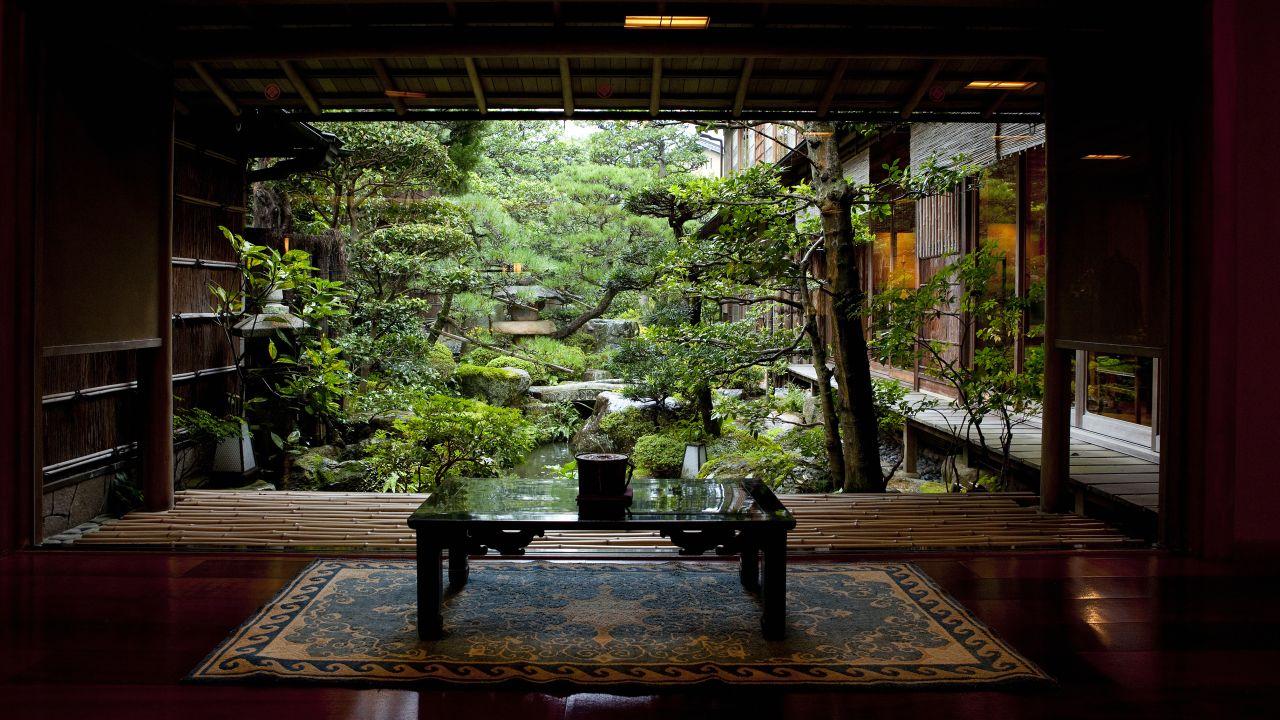
The Nishimuraya Honkan invites you to step back in time and immerse yourself in a seventh-generation ryokan situated in the Hyogo prefecture.
If you're seeking an authentic immersion into Japanese tradition, with tatami-matted rooms, onsens, and slide-and-fold doors, consider a stay at a ryokan. This is a type of Japanese inn that has been welcoming guests since the Edo period, offering a unique experience that rivals Western-style accommodations.
Ryokans, offering a variety of pricing options for every kind of traveler, are usually located in tranquil rural areas, away from the hustle and bustle of city life. This aligns perfectly with the ryokan ethos of providing a peaceful retreat. While urban ryokans do exist, those nestled within pastoral backdrops are particularly enchanting.
Here, formalities blend with comfort. As a guest, you are invited to don yukata, the comfortable house kimono, and which are often paired with socks. Relishing a home-cooked traditional Japanese meal is an integral part of the ryokan stay, enhancing the sense of harmony and simplicity.
Japan is home to many stunning ryokans, and we've curated a list of six of the best in this feature. Dive in to explore your options!
Tea ceremonies
The Japanese tea ceremony, or chado, is a traditional way of preparing and serving matcha (top quality green tea).
To make it, green tea leaves, grown in the shade, are dried and ground into a fine powder. This allows the tea to retain its nutrients. During the ceremony, which focuses on the rituals and mental states achieved in the process, the powder is whisked with hot water in a small bowl until a slight foam appears.
For those looking to immerse themselves completely in the rich cultural experiences of Tokyo, including the chado, staying at a 5 star hotels in Tokyo on www.tokyo-hotels-stay.com offers an ideal base. These luxury accommodations provide not only the epitome of comfort but also often incorporate traditional Japanese aesthetics and values that harmonize with the tea ceremony's philosophy.
The top place to experience Japan’s matcha tea ceremony – or just enjoy a few cups of the precious drink – is Kyoto. There are plenty of tea making classes and demonstrations available in English and other languages.
Kimonos
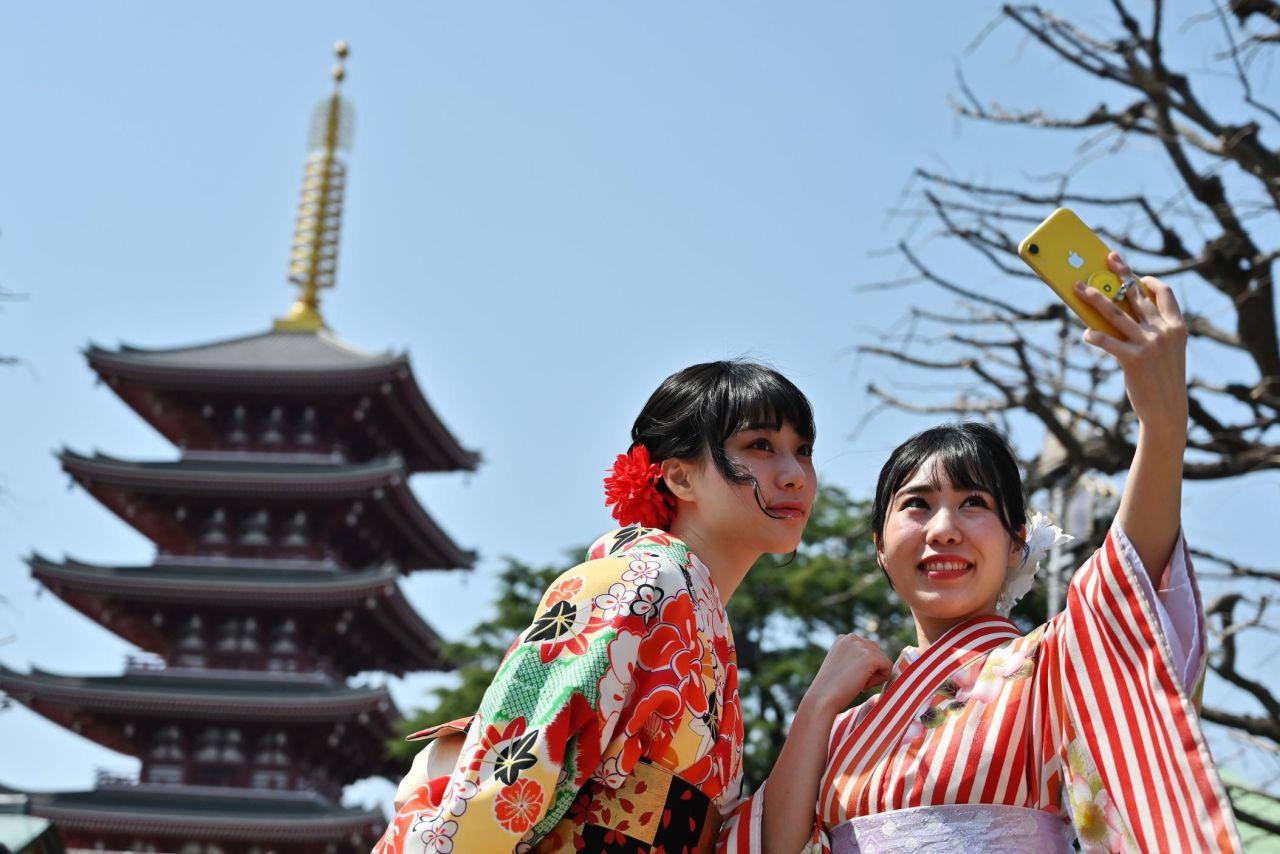
It can take up to two years to make a high-end kimono.
Japan’s most beautiful traditional attire, kimonos are undeniably an expensive souvenir to bring home. One reason for their hefty price tag is the painstakingly detailed process that goes into making them.
On the small island of Amami Oshima, for instance, it takes up to two years to make a single kimono.
Another reputable kimono-making company is Okaju in Kyoto, founded in 1855 and now helmed by the fourth generation Shigeo Okajima.
If you’d simply like to don one during your Japan visit, there are a number of rental companies throughout Kyoto.
Prefer to appreciate these beautiful garments from afar? Kyoto’s Gion district is where travelers can view graceful geishas, traditional Japanese entertainers, walking down the street in their kimonos.
But before taking photos, read this guide on what you should and shouldn’t do when geisha-watching.
Sumo watching
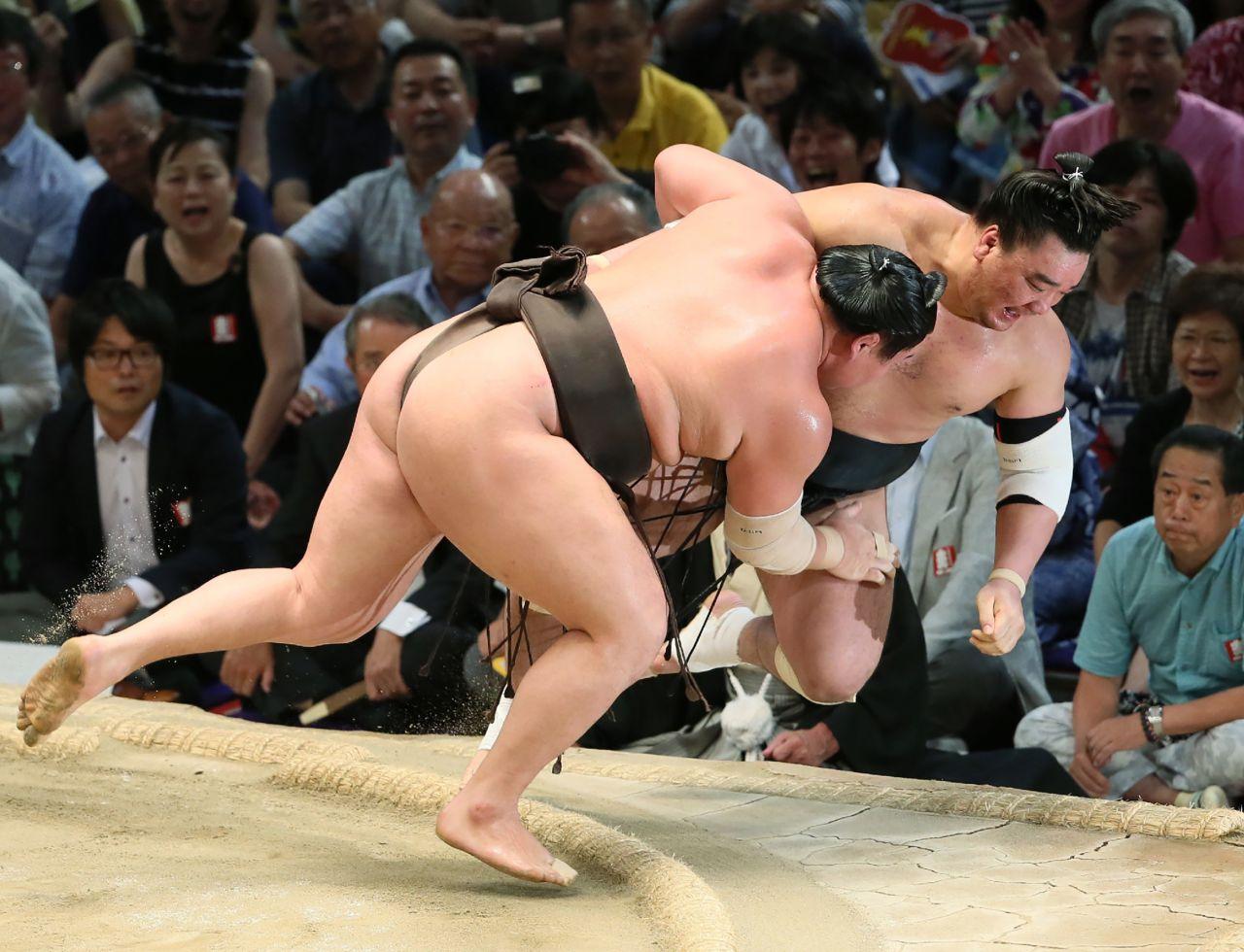
The captivating art of Sumo wrestling possesses a heritage which spans over two millenia.
As a unique embodiment of Japanese culture, Sumo boasts a rich history, tracing its roots back around 2,000 years. This fascinating sport has maintained an impressive consistency, with minimal changes to its traditional form since the Edo period.
Being a spectator at one of Japan’s prestigious biannual sumo tournaments demands smart planning as tickets can be as challenging to procure as stepping onto the sumo ring itself. However, by being proactive and planning ahead, one can secure tickets via Japan’s official sumo website.
There are also alternative methods to immerse yourself in the world of sumo wrestling.
When not locked in competition, sumo wrestlers dedicate their lives to honing their skills in specialized sumo training facilities known as beya.
The majority of these stables are located within the confines of Tokyo's Ryogoku district. These wrestlers abide by a disciplined schedule of eating, sleeping, and training virtually every day. Interestingly, it has recently gained popularity amongst tourists to attend the practice sessions, which usually commence at the dawn and extend over a duration of three to four hours.
To acquaint yourself with additional information on Japan's sumo stables, click here.
GASTRONOMY
The distinct culture of Japan creates a gastronomic paradise, fueled by the peoples' collective food admiration and uncompromising standards for quality and freshness.
Several standout culinary adventures await every traveler in the Land of the Rising Sun. If you’ve tried some, why not deepen your gastronomic journey? Browse through our compilation of the top 25 Japanese dishes.
Sushi
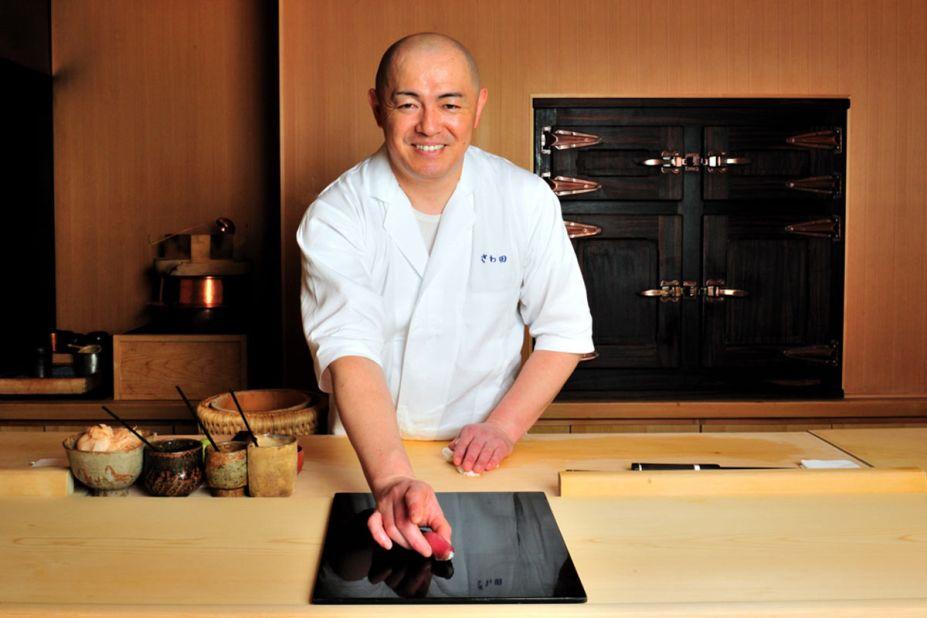
Master sushi chef Koji Sawada, who holds an impressive two Michelin stars, is constantly striving for perfection in his craft. In this demonstration, he is about to showcase the proper technique for enjoying sushi using your hands.
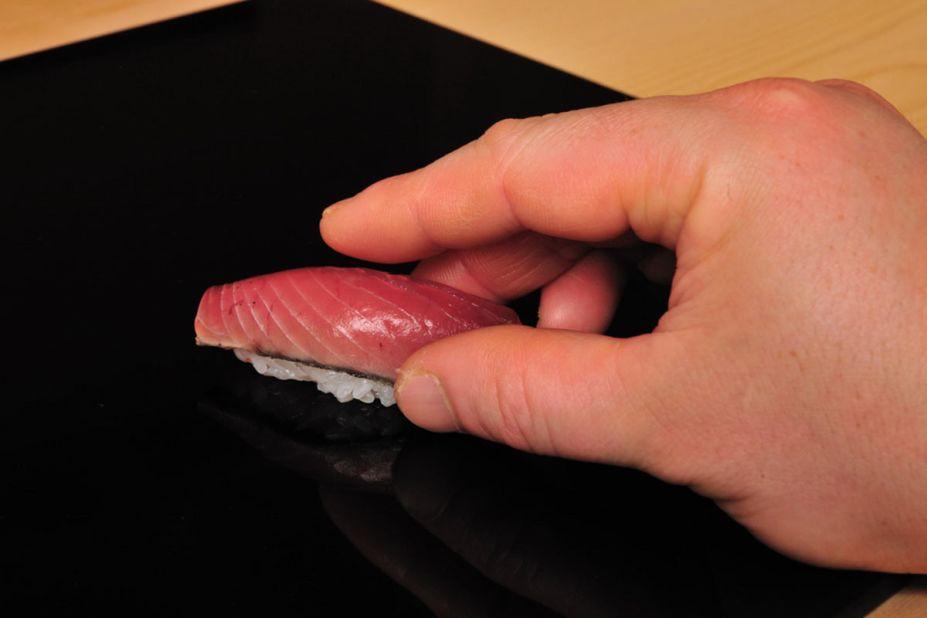
Step 1: The grip —
1. Grip the sushi -- don't squeeze.
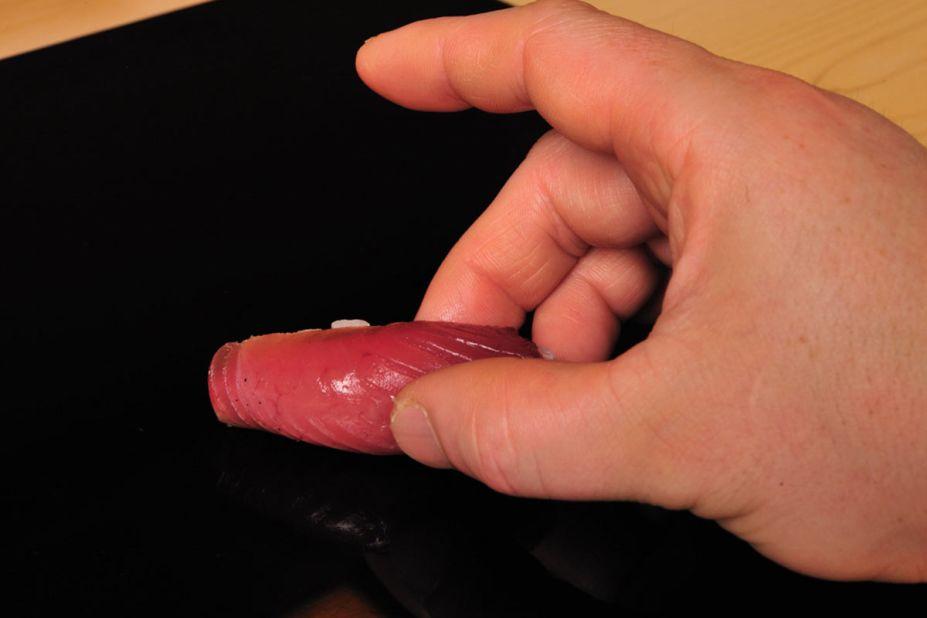
Step 2: The roll —
2. Roll it partway over.
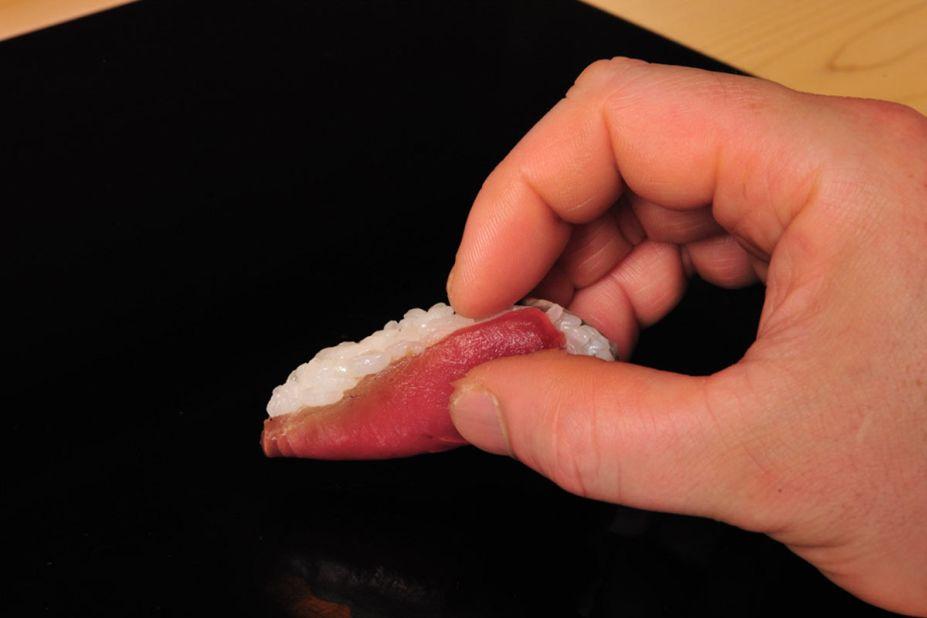
Step 3: Inversion —
3. Turn it upside down.
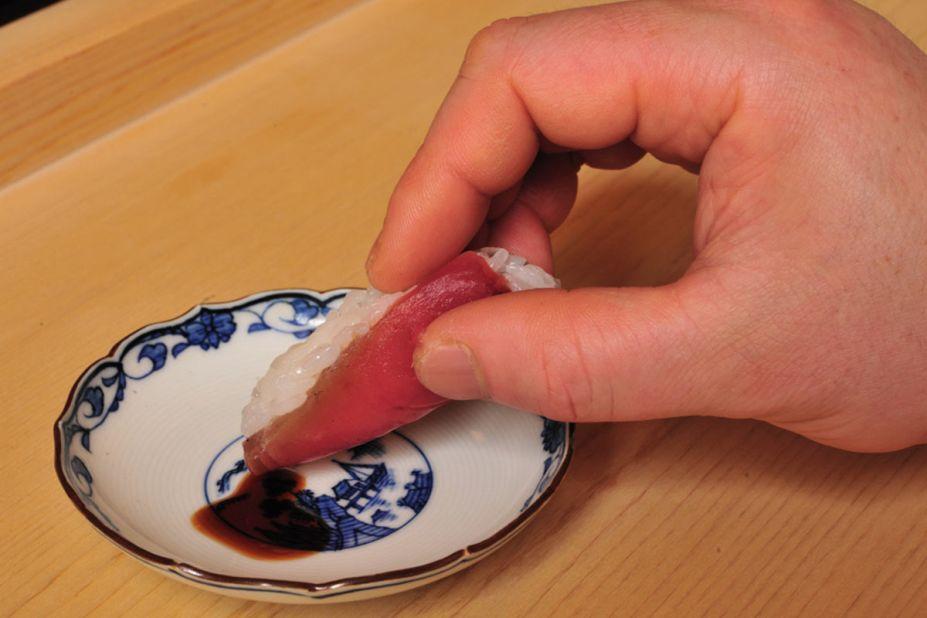
Step 4: Dip —
4. Dip lightly into soy sauce.
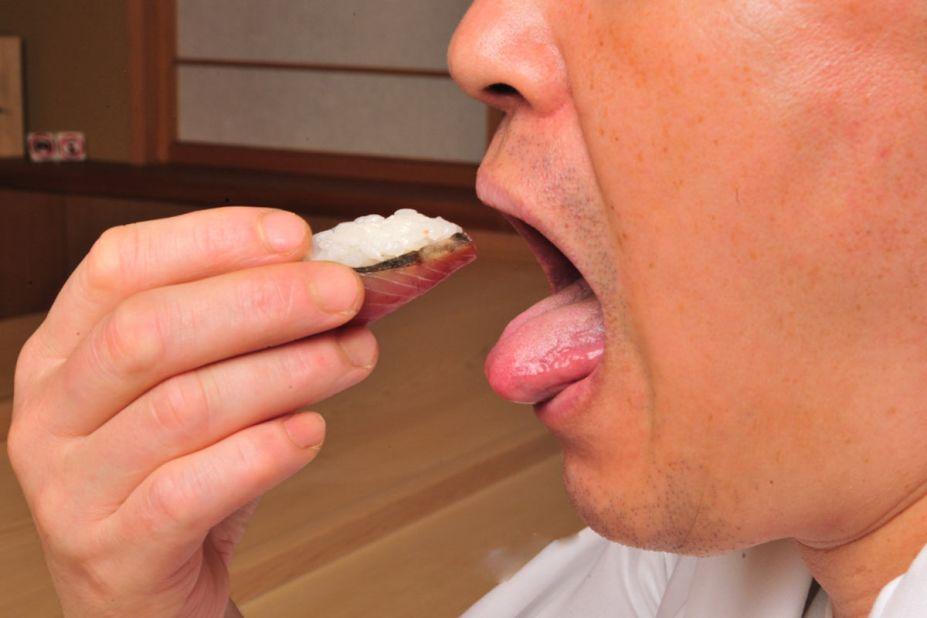
Step 5: Taking a single bite —
5. Insert the entire portion into your mouth, allowing the texture and subtle taste of the soy-marinated fish to make contact with your taste buds first.
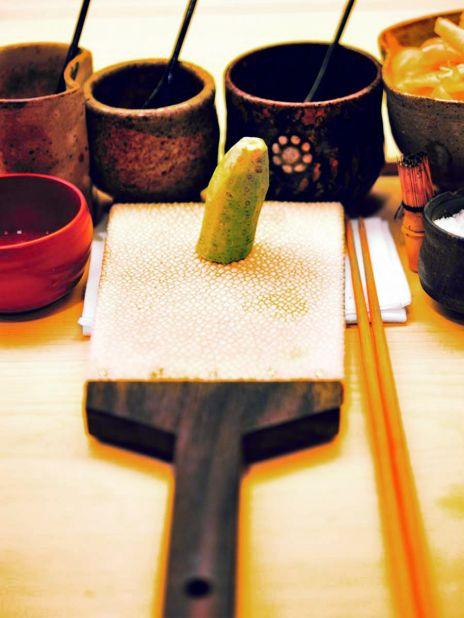
Wasabi -
Wasabi can be used as a condiment with soy sauce to accompany sashimi (raw fish without sushi rice), but it is generally considered impolite to use it with sushi.
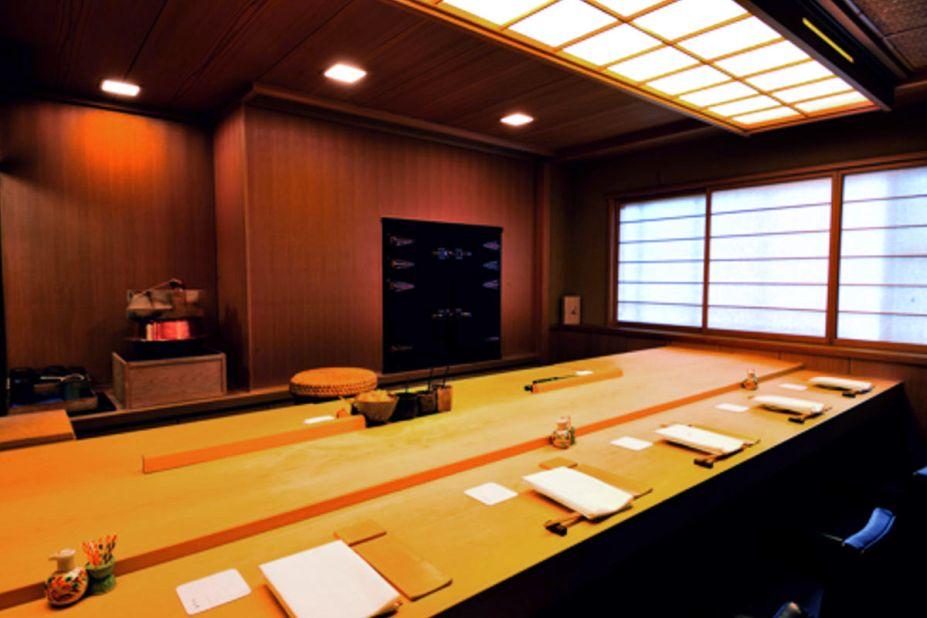
Sawada —
Situated in Tokyo's vibrant Ginza district, Sawada restaurant stands apart as a revered establishment dedicated to the art of sushi. While the modern generation of sushi chefs strives to create an inclusive and welcoming atmosphere, a visit to a world-class sushi-ya can still feel intimidating, even for locals.
When contemplating on the topic of Japanese cuisine, sushi likely takes the forefront of your mind.
This delicacy, however, transcends being mere slices of seafood atop vinegar-infused rice commonly known as nigiri. The craft of making perfect sushi can become a lifelong endeavor to master, but fortunately, Sushi University exists for adventurers to discern between nigiri and nori-maki.
Sushi, ever elegant in its minimalism, banks heavily on two critical factors: the impeccable freshness of its components and the chef's mastery over the blade.
Whether you like your raw fish draped over bite-sized balls of vinegared rice, rolled up in toasted nori seaweed or pressed into fat rectangular logs, delicious sushi can be found in every price range.
If you’re up for a splurge, Sushisho Masa (106-0031 Tokyo, Minato City,Nishiazabu, 4 Chome−1−15) in Tokyo’s Roppongi neighborhood is nothing short of perfection.
And then of course there’s Sukiyabashi Jiro, the fabled restaurant in Tokyo’s fashionable Ginza district widely regarded as the best sushi restaurant in the world. Hidden in a basement attached to the Ginza Metro Station, Sukiyabashi Jiro earned global fame following the 2012 documentary “Jiro Dreams of Sushi.”
Kobe beef
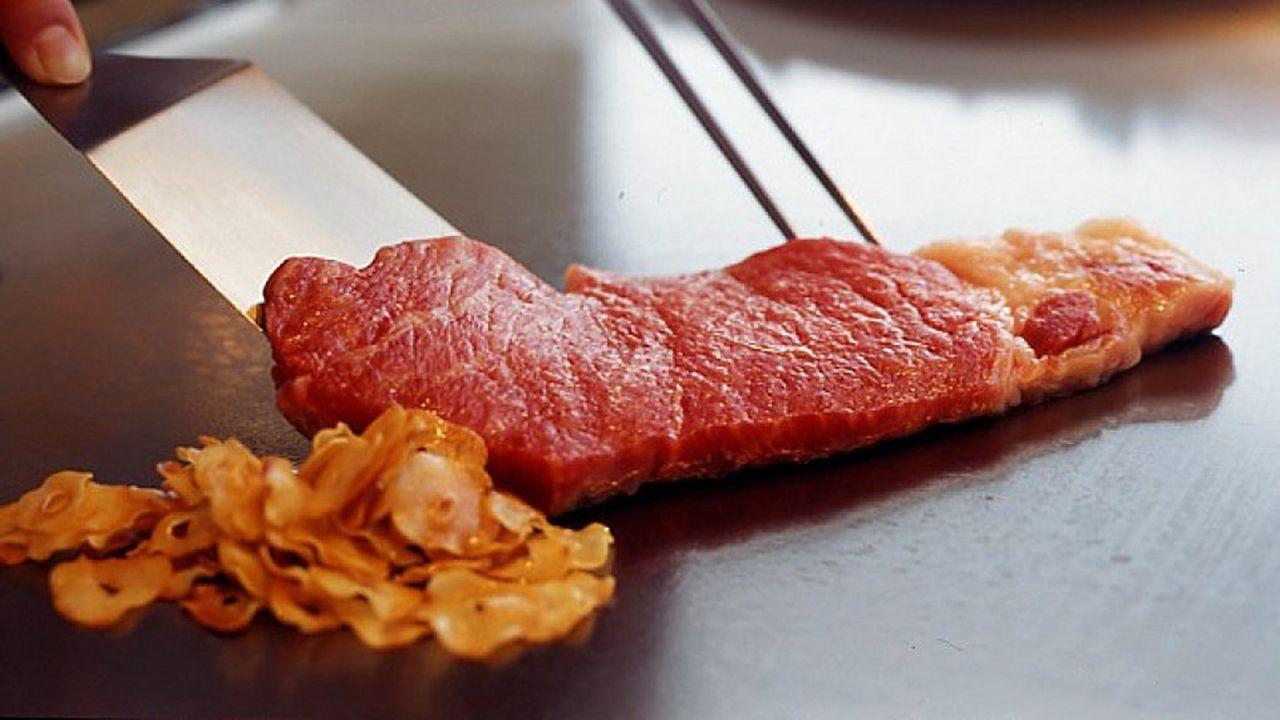
In any given year, the number of cattle that attain the premium Kobe grade status is a sparse 3,000.
The delightfully marbled Kobe beef, lauded for its velvety-smooth texture that dissolves in the mouth, is celebrated as a treasured delicacy in Japanese cuisine.
Deriving its name from the location where the cattle are reared, Kobe is a special kind of Wagyu beef and is relatively scarce, with merely 3,000 of the cattle earning the premium Kobe grade label annually.
The key to distinguishing it lies in remembering that Wagyu, which translates to "Japanese cow", signifies particular cattle breeds that boast a distinctive, identifiable, and pristine genetic lineage.
Originating from the Kansai region, home of Osaka, the eminent trifecta of Wagyu varieties - Matsusaka, Kobe, and Ohmi are produced. While these are royal names in the beef world, there's certainly no shortage of flavor in the beef sourced from other locations.
Want to expand your knowledge about the diverse varieties of Japanese beef? Explore more here.
The Delight of Soba
Renowned for its distinctive taste, Soba - buckwheat noodles traditional to Japan, are typically enjoyed in two tantalizing ways. They can either be relished chilled with an accompanying dip known as zaru soba, or simmered and served hot in a flavourful dashi broth.
However, the pinnacle of this culinary delight is undeniably te-uchi, the Japanese term denoting 'handmade' soba. These delicacies, passionately kneaded and sliced by hand, provide a superior and unparalleled firm texture in comparison to their commercially mass-manufactured counterparts. This, as a result, dramatically enhances their taste intensity.
For an eatery encounter truly emblematic of soba's culinary tradition, Iwate prefecture in Northeast Japan is a must-visit. This region is celebrated for "wanko soba", an all-you-can-eat noodle custom that has been a part of local culture for over four centuries. Amazingly, it is reported that a patron at one wanko soba restaurant managed to consume a staggering 570 bowls in one session.
In essence, whether you're a culinary enthusiast or a visitor seeking to delve into Japan's rich food history, indulging in authentic soba is an experience that is sure to sate your palate and provide an unforgettable gastronomic journey.
Yakitori
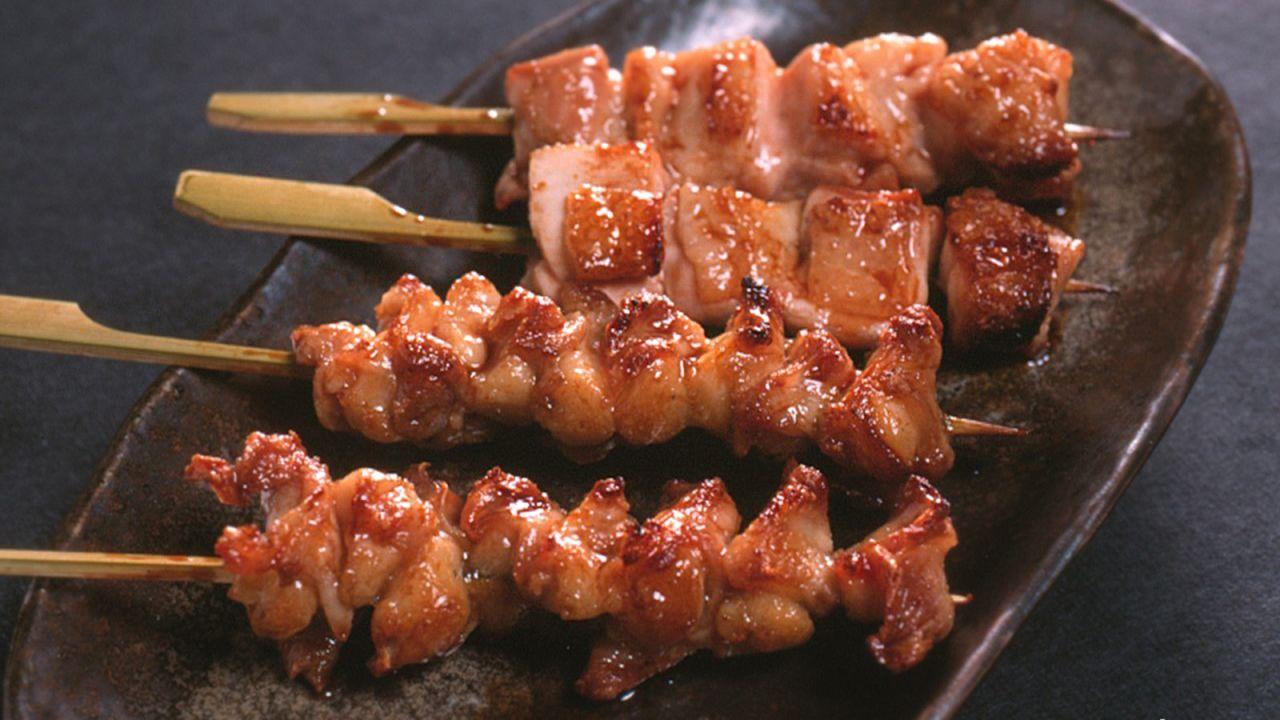
What's a must-try when you swing by any local pub in Japan? One would undoubtedly be Yakitori, a typical Japanese dish made from chicken skewers.
Yakitori eateries offer you the opportunity to taste assorted parts of the chicken, ranging from the juicy breast to crispy skin and even gizzards - all served in the traditional Japanese skewer style.
One splendid location to have this culinary experience is Torikado in Tokyo. As a premium omakase yakitori establishment, the choice of what to dine on is left to the innovative whims of the chef at Torikado.
A favored way to relish these succulent chicken skewers is to pair them with a chilled beer at an izakaya, a relaxed Japanese-style bar. Don't miss out on exploring the most excellent yet relatively inexpensive izakayas in Tokyo.
Kaiseki
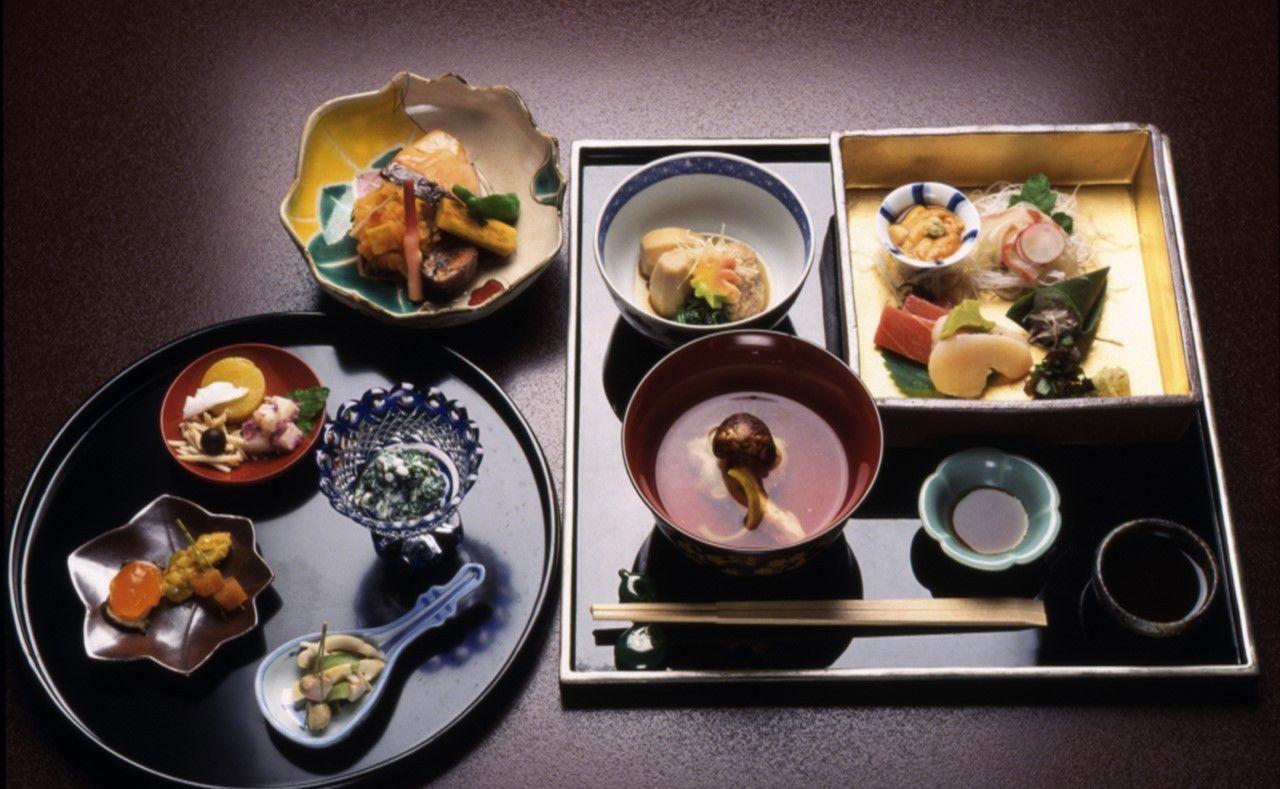
The traditional kaiseki meal, originally meant to complement the tea ceremony, offers a unique culinary experience in Japan.
An individual planning a journey to Kyoto will likely come across the term "kaiseki".
While on the surface, kaiseki might seem like a simple series of artfully arranged courses in a Japanese dinner, the truth extends far beyond it. It represents exquisite craftsmanship, extraordinary service, and is typically an extravagant affair.
For connoisseurs, kaiseki exemplifies "omotenashi", symbolizing the epitome of heartfelt hospitality and Japanese authenticity.
Interested in diving deeper into the kaiseki experience? Our journey with Chef Hisato Nakahigashi of the double Michelin-starred eatery and inn, Miyamasou, gave birth to this conclusive kaiseki meal tutorial for beginners. This guide provides an insightful introduction to the highly artistic and ceremonial world of kaiseki cuisine.
Ramen
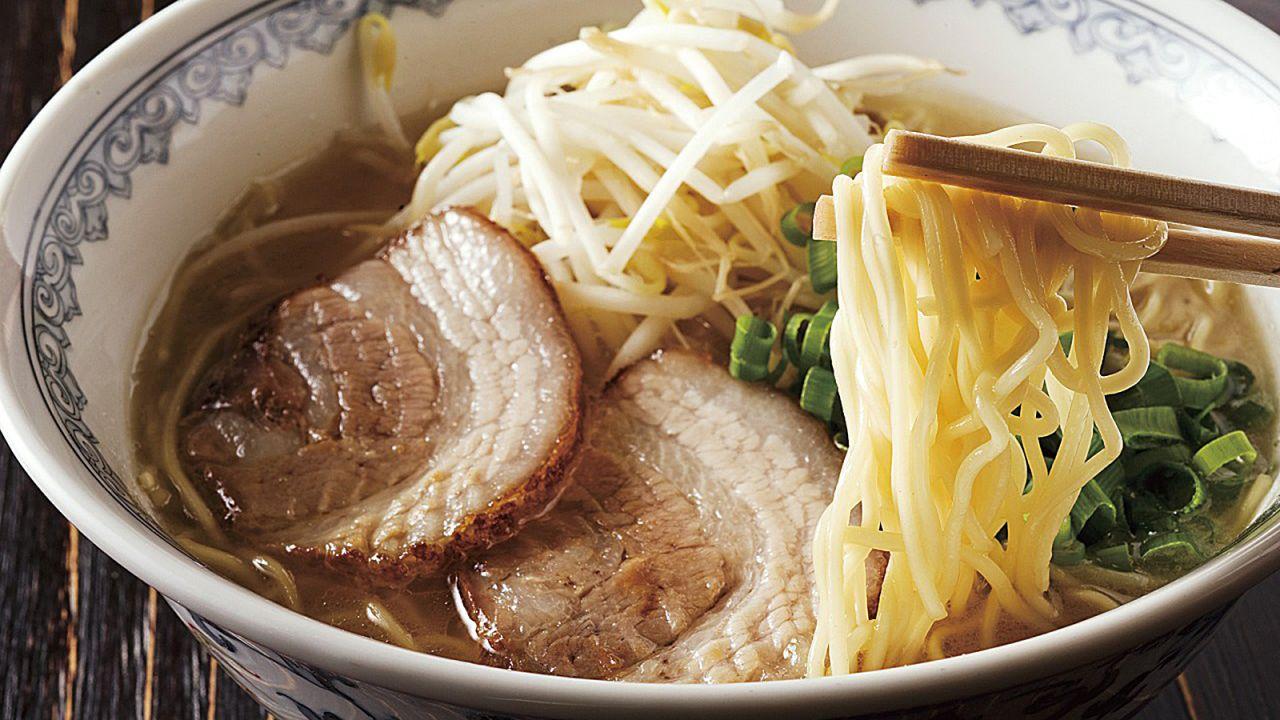
Ramen dominates as a classic Japanese dish that brings warmth to the soul.
Imagine finding solace on a frosty, drizzling day in a bowl of steaming hot ramen; that's an experience unparalleled.
Its universal acclaim stems from the four main variants of this soupy delight- Shoyu (flavored with soy sauce), Shio (a refined soy sauce variant), Miso (a concoction using fermented soybeans) and Tonkotsu (a rich and creamy pork bone stock).
In search of extraordinary ramen offerings, CNN Travel consulted Brian Mac, the brain behind the popular blog Ramen Adventures. His top picks venture as far as Hokkaido's Miso ramen, Kyushu's Kumamoto ramen, and a diverse platter of Shoyu twists. Dive deeper into these fascinating flavors here.
Savoring Sake
Sake, revered as Japan's traditional rice wine, has been part of Japanese heritage since the third century, leaving a significant mark on its cultural landscape.
Made nationwide, sake breweries are scattered across every corner of Japan, inviting curious visitors for a unique experience. However, for the ever-evolving taste of finely brewed sake, look no further than Japan's northeastern Tohoku area.
The unique character of Tohoku's sake lies in the geographical distinctions of the region. Its severe and snow-laden winters, coupled with its historical dependency on farming due to geographical isolation, shape the distinctive flavor profile of its sake.
Travelers willing to venture north, have an exciting opportunity. Numerous breweries not only welcome English-speaking visitors for intimate tours but also offer sake tasting sessions. While these exclusive tours offer a unique chance to delve deeper into the sake-making process, remember to arrange your visit beforehand through the individual brewery websites.
Discover more about the esteemed sake makers of the Tohoku area here.